
Retina Treatment in Patiala: Retina Checks, OCT, Symptoms and Care Plans
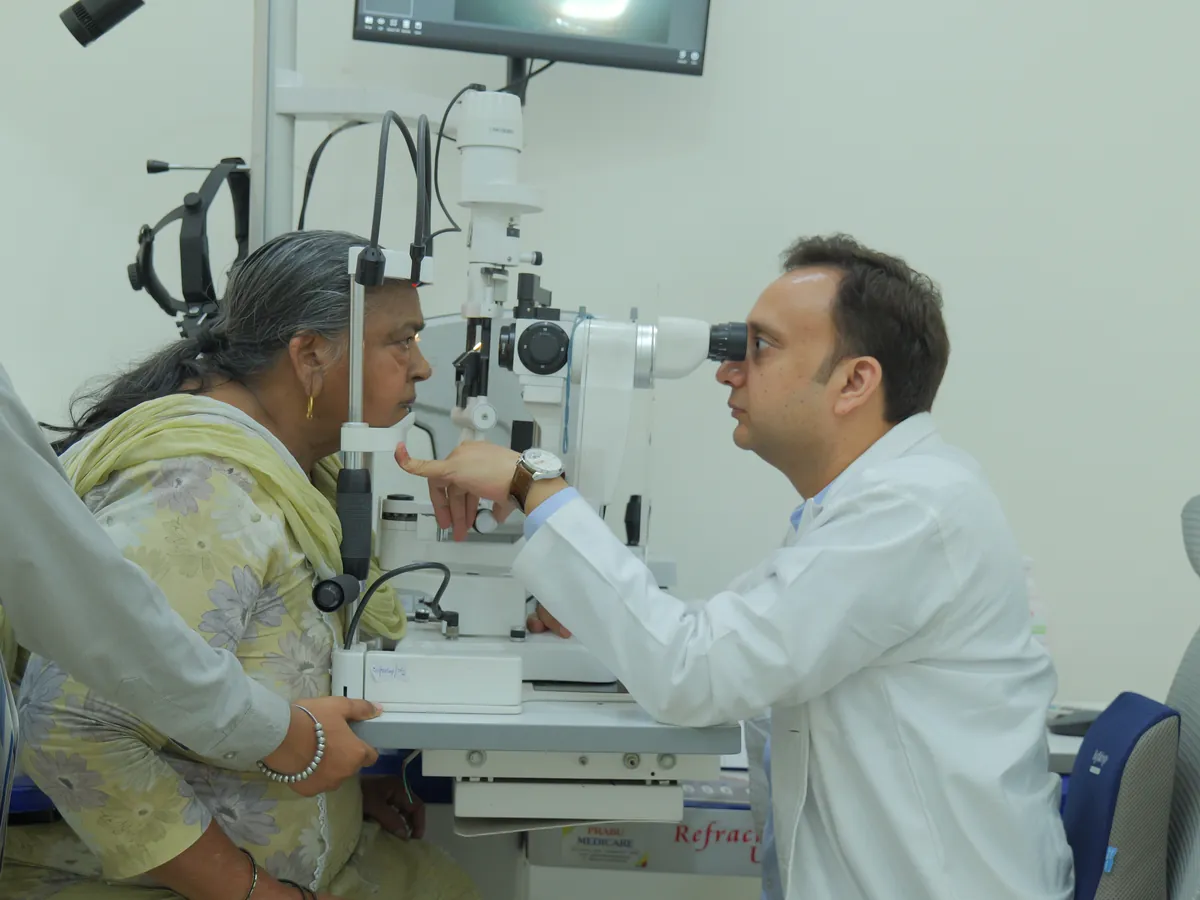
Retina care at Garg Eye Hospital in Patiala starts with a careful dilated examination and imaging of the back of the eye, using OCT, digital fundus angiography and B scan ultrasound where needed. Dr. Amandeep Garg, MBBS, DNB, reads the results, explains what they mean and plans your next step. This page explains retina problems, tests, treatments, recovery and costs in plain language.
Quick answer
Retina treatment in Patiala begins with a dilated retina examination, OCT scan and, when needed, digital fundus angiography and B scan at Garg Eye Hospital. Dr. Amandeep Garg, MBBS, DNB, is the only surgeon and explains your findings and plan. Sudden flashes, new floaters, a dark curtain or sudden loss of sight need a check the same day. The hospital also screens diabetic eyes. Call +91 98554-91500, Monday to Saturday, 9 AM to 5 PM.
What is the retina, and why does it matter?
The retina is a thin layer of light-sensing tissue at the back of the eye. It works like the film in a camera. Light passes through the cornea and lens and lands on the retina, which turns it into signals that travel along the optic nerve to the brain. The centre of the retina is the macula, which gives sharp central vision for reading, faces and driving. The rest of the retina, the periphery, gives side vision and night vision.
The retina cannot grow back. If it is damaged and not treated in time, the loss of sight can be permanent. This is why retina problems are treated as urgent more often than other eye problems, and why regular checks matter for people at risk.
| Part | Job | What goes wrong |
|---|---|---|
| Macula | Sharp central sight | Swelling, degeneration, holes, membranes |
| Peripheral retina | Side and night vision | Tears, thin areas, detachment |
| Blood vessels | Feed the retina | Leak, block or grow abnormally in diabetes and other diseases |
| Vitreous (the jelly) | Fills the eye | Floaters, bleeding, pulling on the retina |
| Optic nerve | Carries signals to the brain | Damage from glaucoma and other disease |
What does Garg Eye Hospital offer for retina care?
The services listed at the hospital include retina examinations and diabetic eye screening, supported by OCT, digital fundus angiography and B scan. Dr. Amandeep Garg, MBBS, DNB, is the only surgeon, and he examines you, reads the images and explains the plan. See his profile on the eye specialist page.
| Service or machine | What it does for your retina |
|---|---|
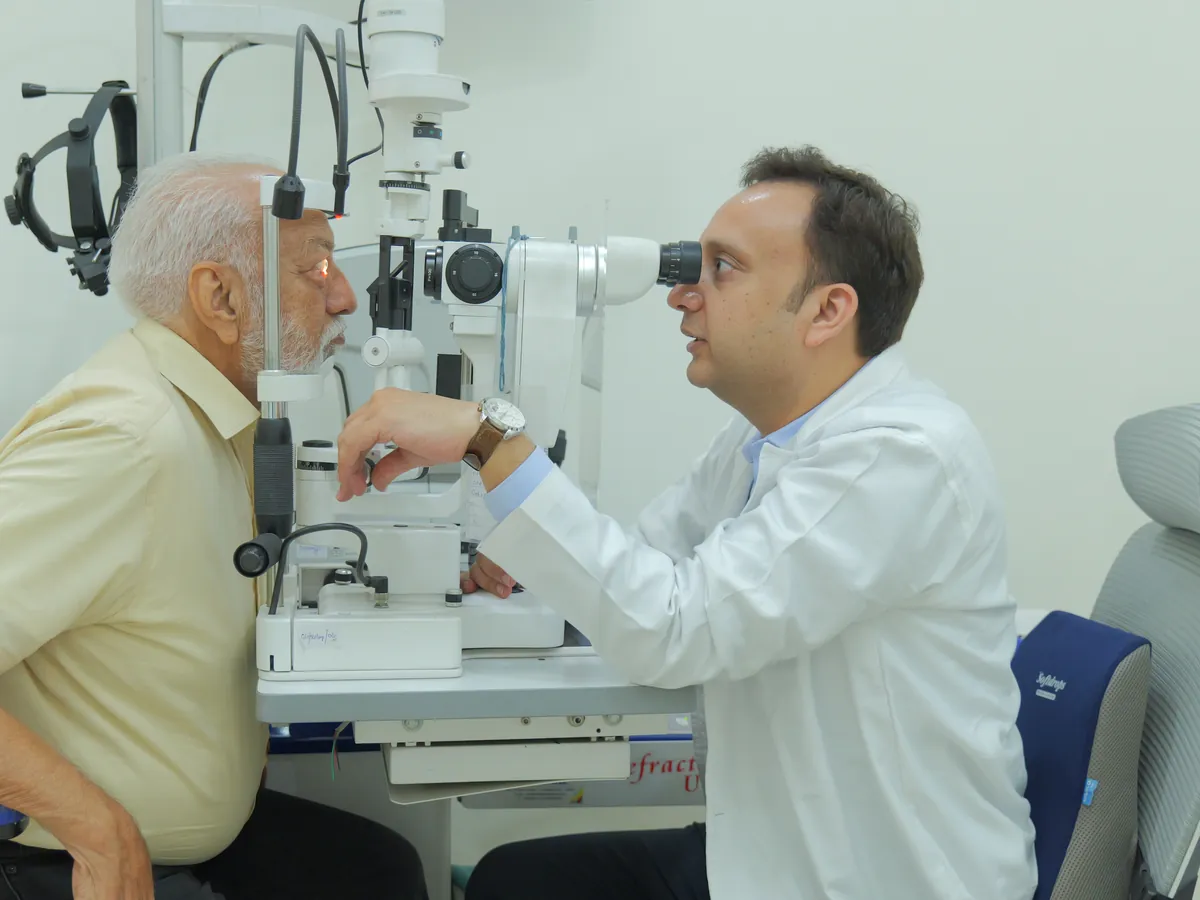
| Dilated retina examination | Examines the macula, retina periphery, blood vessels and optic nerve through drops that widen the pupil |
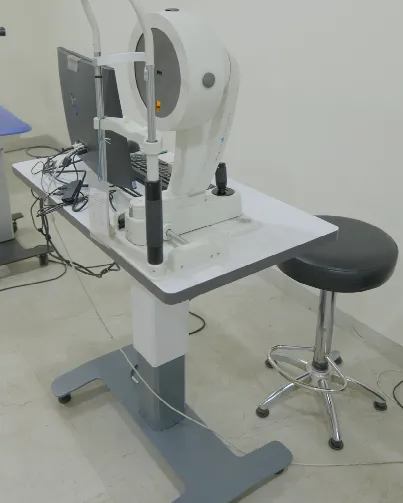
| OCT (optical coherence tomography) | A cross-section scan of the macula and optic nerve. It shows swelling, thinning, fluid and membranes in fine detail |
| Digital fundus angiography | Photographs the retina and shows blood vessel leaks and blocks |
| A and B scan ultrasound | Shows the back of the eye when the view is blocked by cataract or bleeding |
| Slit lamp | Examines the front of the eye and the vitreous |
| Tonometer | Measures eye pressure, which is part of every retina and optic nerve plan |
| Diabetic eye screening | Looks for early diabetic changes before symptoms appear |
Some treatments for retina disease, such as certain laser procedures, injections and vitreoretinal surgery, are specialised. The hospital's listed retina services are examination, imaging and screening. Ask the doctor which steps are done here and which are done elsewhere. A clear plan before you travel saves time and worry.

Dr. Amandeep Garg
MBBS, DNB, Phaco and LASIK Surgeon
Dr. Amandeep Garg specialises in cataract surgery and laser vision correction. His background includes an association with Sir Ganga Ram Hospital, Delhi, and a consultant role at Manipal (Columbia Asia) Hospital, Patiala. His approach is careful examination, clear communication and a suitable treatment option for each patient.
What symptoms mean you should see a retina specialist?
Some retina symptoms are an emergency. Others are early signs that need a check within days. Use this table to judge how fast to act.
| Symptom | What it may mean | How fast to act |
|---|---|---|
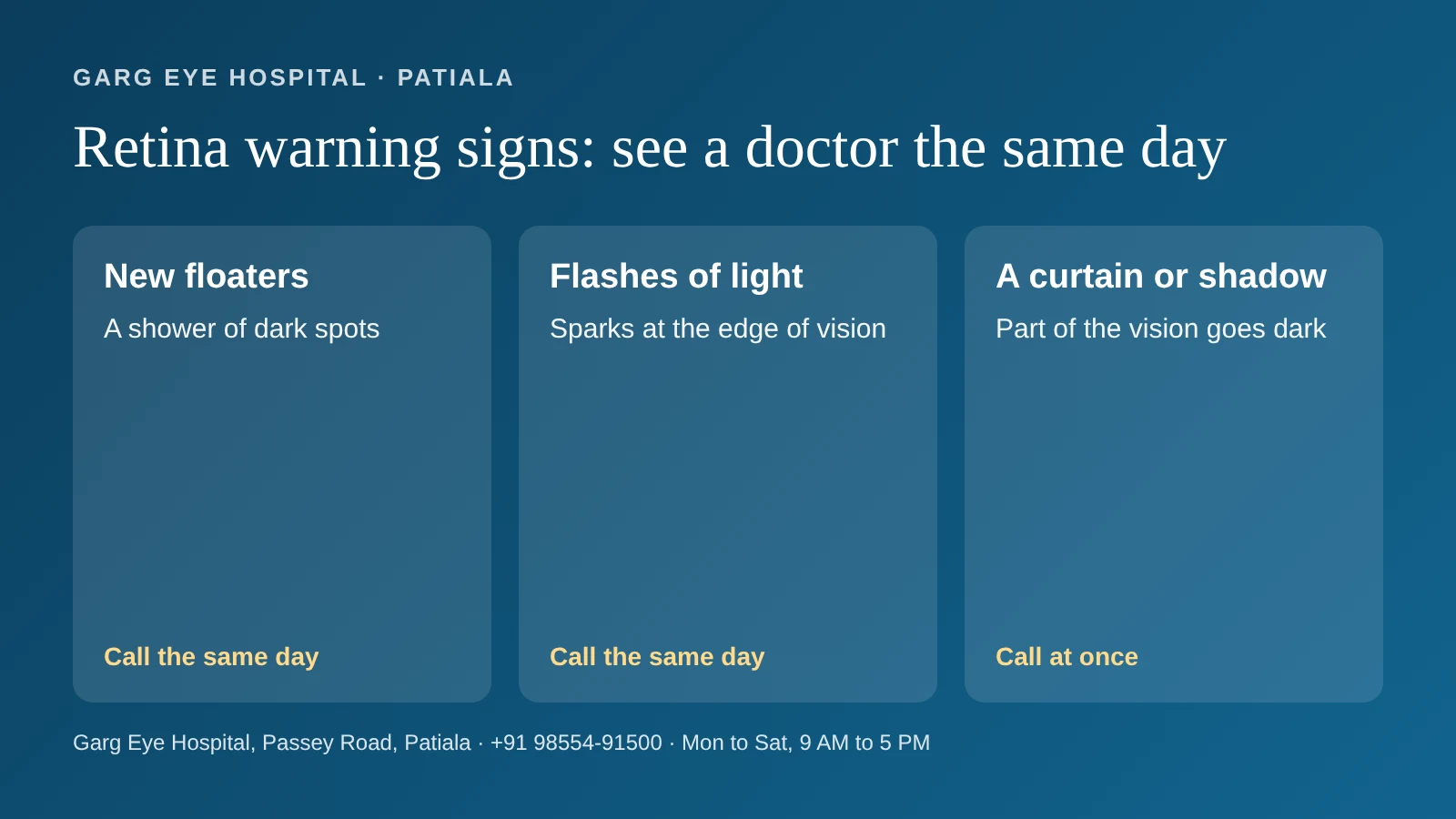
| Sudden shower of new floaters, with flashes of light | Vitreous pulling on the retina, a tear or detachment | The same day |
| A dark curtain or shadow moving across your sight | Retinal detachment | The same day |
| Sudden loss of vision in one eye | Blocked blood vessel, bleeding or detachment | The same day |
| Straight lines look bent or wavy | Macular swelling or disease | Within days |
| A grey or blank spot in the centre of sight | Macular disease | Within days |
| Blurred sight in a diabetic person | Diabetic eye disease | Within days |
| Colours look faded and sight is dimmer | Several causes, including macular disease | Within a week |
| Night vision is poor | Retinal or other disease | Within a week |
| A few old, steady floaters | Often harmless, but worth examining once | At the next visit |
If you are not sure, treat the symptom as urgent. Retinal tears and detachments are treated better when found early. See when eye symptoms need urgent care.
What retina conditions are common?
Diabetic retinopathy
High sugar over the years damages the small blood vessels of the retina. They leak, bleed or block, and abnormal new vessels can grow. Early disease gives no symptoms, which is why diabetic eye screening matters. See the full guide on diabetic eye disease in Patiala.
Retinal tear and retinal detachment
A tear is a break in the retina. If fluid passes through the tear, the retina can lift off its base, which is a detachment. A detachment is an emergency. Risk is higher in high short sight, after eye injury, after cataract surgery, with a family history, and in older age.
Age-related macular degeneration
The macula slowly loses function with age. It causes blurred or distorted central sight. Some forms are treated with injections, and healthy habits help. Smoking raises the risk.
Macular hole and epiretinal membrane
A hole in the macula or a thin scar-like membrane over it causes distortion and blur. Surgery can help in selected cases.
Retinal vein or artery blockage
A blocked retinal vein or artery causes sudden loss of sight or blur, often linked with blood pressure, diabetes and high cholesterol. It needs urgent care and a check of general health.
Central serous retinopathy
A collection of fluid under the macula, often linked with stress and steroid use. It often settles, but needs a check.
Retinitis pigmentosa and inherited disease
A group of inherited conditions that slowly reduce night and side vision. Care focuses on diagnosis, counselling and support.
Hypertensive retinopathy
High blood pressure can damage retinal vessels. A retina examination can pick this up, and blood pressure control is the treatment.
Retinopathy of prematurity
Seen in some premature babies. It needs screening by a paediatric retina specialist soon after birth.
How is a retina examination done?
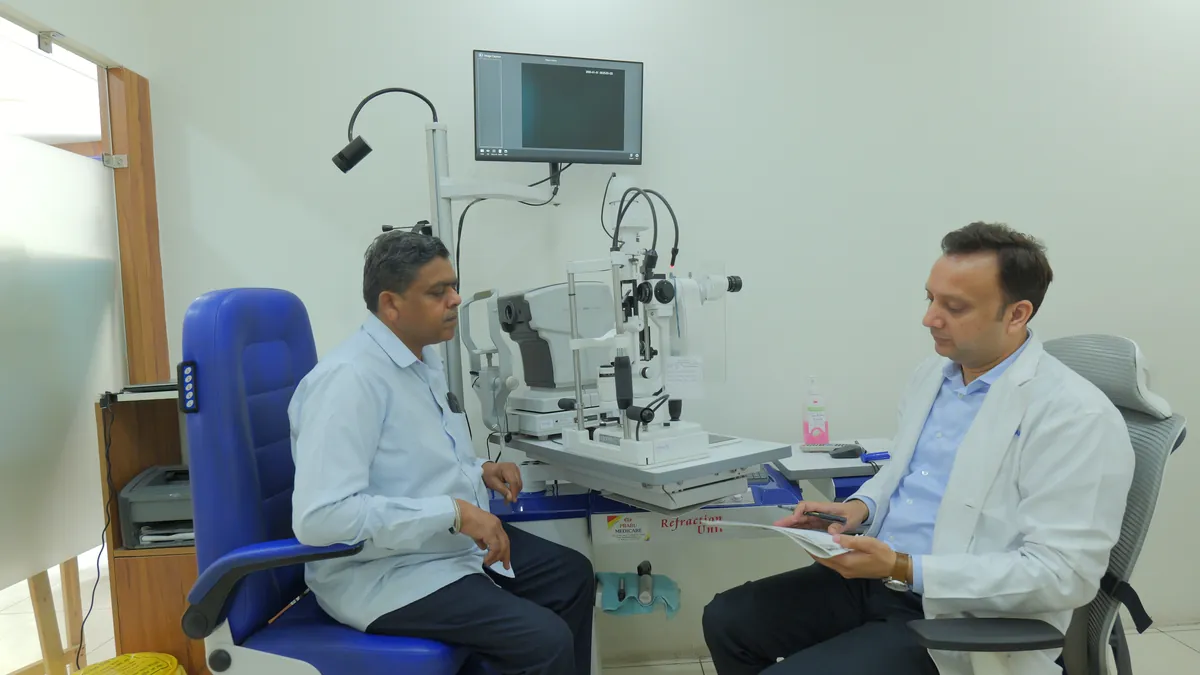
- History. You describe symptoms, health conditions, medicines and family history.
- Vision and pressure. Your vision is tested and eye pressure is measured.
- Drops. Dilating drops widen the pupil. They take about 20 to 30 minutes to work.
- Examination. The doctor looks at the retina with a bright light and special lenses. A wide view of the periphery is important.
- Imaging. OCT is done for the macula and optic nerve. Fundus photographs or angiography may follow. B scan is used when the view is blocked.
- Explanation. The doctor shows you the findings and explains what they mean.
The drops blur near vision and make light uncomfortable for a few hours. Bring a family member, sunglasses and your reports. Do not drive after the check.
Is a dilated retina exam painful?
No. The drops sting briefly. The light is bright but not painful. Most people find it tolerable.
What is OCT, and is it safe?
OCT uses light to take a cross-section picture of the retina. It does not touch the eye and has no radiation. It takes a few minutes.
What is fundus angiography?
A dye is injected into a vein in the arm, and photographs of the retina show the blood vessels. It highlights leaks and blocks. Tell the team about allergies and kidney problems. Your urine can look yellow for a day, which is harmless.
What treatments exist for retina disease?
The treatment depends on the condition. These are the main categories, explained so that you can follow your doctor's plan.
| Treatment | What it is | Used for |
|---|---|---|
| Observation | Regular checks without active treatment | Stable or very early changes |
| Control of sugar, blood pressure and cholesterol | Medicines and lifestyle | Diabetic and hypertensive retinopathy, vein blocks |
| Retinal laser (photocoagulation) | A laser seals leaks, treats abnormal vessels or welds weak areas | Retinal tears, thin areas, diabetic retinopathy |
| Injections into the eye | Medicine placed in the eye to reduce swelling or abnormal vessels | Macular swelling, macular degeneration, some vein blocks |
| Cryotherapy or buckle | Freezing or an external band to support the retina | Selected retinal detachments |
| Vitrectomy | Removing the vitreous jelly and treating the retina inside the eye | Detachment, hole, bleeding, membranes |
| Gas or silicone oil | A bubble or oil that holds the retina in place during healing | After detachment surgery |
Which treatment is advised depends on the exam, OCT and angiography. The doctor explains benefits, limits and risks for your eye. Ask where each step will be done.
Are retina injections painful and safe?
Retina injections are given in a sterile setting with numbing drops. Most people feel pressure, not pain. A small risk of infection or pressure rise exists, which is why aseptic care and follow-up matter. Injections often need to be repeated, so ask about the expected number of visits.
Can retina damage be reversed?
Some retina problems improve with timely treatment, such as swelling, bleeding or a detachment that is repaired early. Dead retinal cells do not regenerate. The aim of treatment is to stop damage, protect what you see and restore what can be restored. Be wary of products that promise to "regrow" the retina.
What are floaters and flashes, and when are they dangerous?
Floaters are small shapes that drift across your sight, like threads, dots or cobwebs. They are shadows cast by tiny clumps in the vitreous jelly. Flashes are brief streaks of light, often at the side, caused by the jelly tugging on the retina.
| Pattern | Likely cause | What to do |
|---|---|---|
| A few old floaters that have not changed | Normal ageing of the jelly | Mention at your next check |
| Floaters that are slowly increasing | Ageing, short sight, past inflammation | A dilated check within days |
| A sudden shower of new floaters | Vitreous separation, a tear or bleeding | Same day check |
| Flashes with new floaters | The jelly pulling on the retina | Same day check |
| A dark curtain or shadow with flashes | Retinal detachment | Emergency, come at once |
| Floaters with pain and redness | Inflammation | Same day check |
| Floaters in a diabetic person with sudden blur | Bleeding in the eye | Same day check |
A dilated examination checks the whole retina for tears. Do not wait to see if it settles.
Why does high short sight raise retina risk?
A highly short-sighted eye is longer than normal. The retina is stretched thin, especially at the edges, so tears and thin patches are more common. People with high power should have a dilated retina check before any vision correction surgery and then at regular intervals. Retinal laser can seal weak areas when advised. This is also why the specs removal and ICL evaluations include a retina examination.
What does retinal laser feel like?
You sit at a laser microscope with numbing drops. A contact lens rests on the eye. You see bright flashes of light, and some people feel a mild ache or a pinch. The session takes a few minutes. Afterwards, sight is blurred and light is dazzling for some hours. Most people resume normal life the next day. The doctor explains how many sessions you need.
What are the warning signs after retina treatment?
Call the hospital the same day if you have increasing pain, rapid redness, a sudden fall in sight, a new dark curtain, many new floaters, discharge, or severe headache with nausea. After an injection, call for pain, redness or fall in sight in the first days.
Does insurance cover retina treatment?
Many policies cover retinal surgery and some injections when they are medically needed. Cover for imaging and routine checks varies. Share your policy with the desk early, and ask what documents are needed.
What should you bring to a retina visit?
- A family member, since your near vision will be blurred for a few hours.
- Sunglasses for the way home.
- Your glasses and a list of medicines.
- Recent sugar, blood pressure and cholesterol reports.
- Earlier eye reports, scans and prescriptions.
- A list of symptoms, with the date each began.
- Insurance or scheme details, if you plan to use them.
Retina treatment in Patiala: what people here ask
Searches in this area include retina specialist in Patiala, retina doctor in Patiala, retina surgeon in Patiala, eye specialist in Patiala near Dukhniwaran Sahib, black spots in front of the eyes, weak spots in the retina and the cost of floater or retina treatment. This page answers them in the order people ask.
Eye specialist in Patiala near Dukhniwaran Sahib
Garg Eye Hospital is on Passey Road, near Gurudwara Dukh Niwaran Sahib. Dr. Amandeep Garg, MBBS, DNB, examines the retina here with a slit lamp, OCT and digital fundus angiography. He explains which treatment steps are done at the hospital and which need a retina centre, so you are told early and plainly.
Black spots in front of the eyes: when is it urgent?
New floaters, flashes of light or a curtain over part of your vision need an examination the same day. Do not wait for the OPD queue. Call +91 98554-91500 and say that it is sudden.
Weak spots in the retina: what is the treatment?
Weak or thin areas at the edge of the retina can be examined with dilated drops. If the doctor advises it, laser can be used to strengthen them. Whether laser is done at the hospital or advised elsewhere is explained at the visit.
Retina surgery and injection cost in Patiala
Public listings read on 27 November 2026 show retinal laser at about ₹3,000 to ₹25,000, an eye injection at about ₹20,000 to ₹25,000 or more, retinal detachment surgery from about ₹45,000 and vitrectomy at about ₹24,000 to ₹70,000. These are market ranges, not hospital prices. The right treatment and its cost depend on your retina.
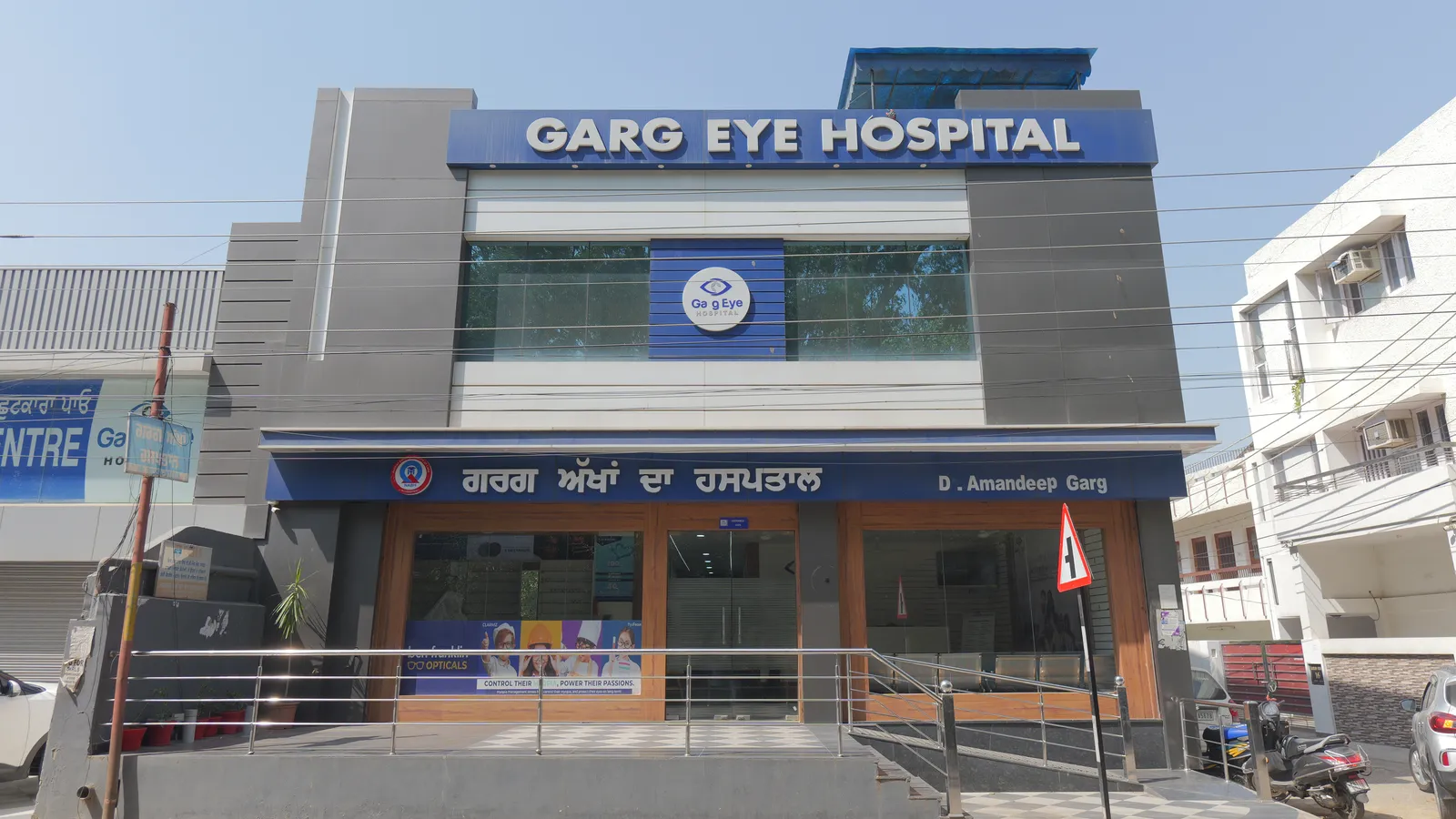
Garg Eye Hospital on Passey Road, Patiala: how to reach us for retina treatment
Garg Eye Hospital is on Passey Road, Patiala, Punjab 147001, near Gurudwara Dukh Niwaran Sahib. On Google Maps the pin sits close to the Sikh Museum, on the Passey Road and Sirhind Road side of the city. Ask for Garg Eye Hospital near Dukhniwaran Sahib and anyone nearby can point you to it.
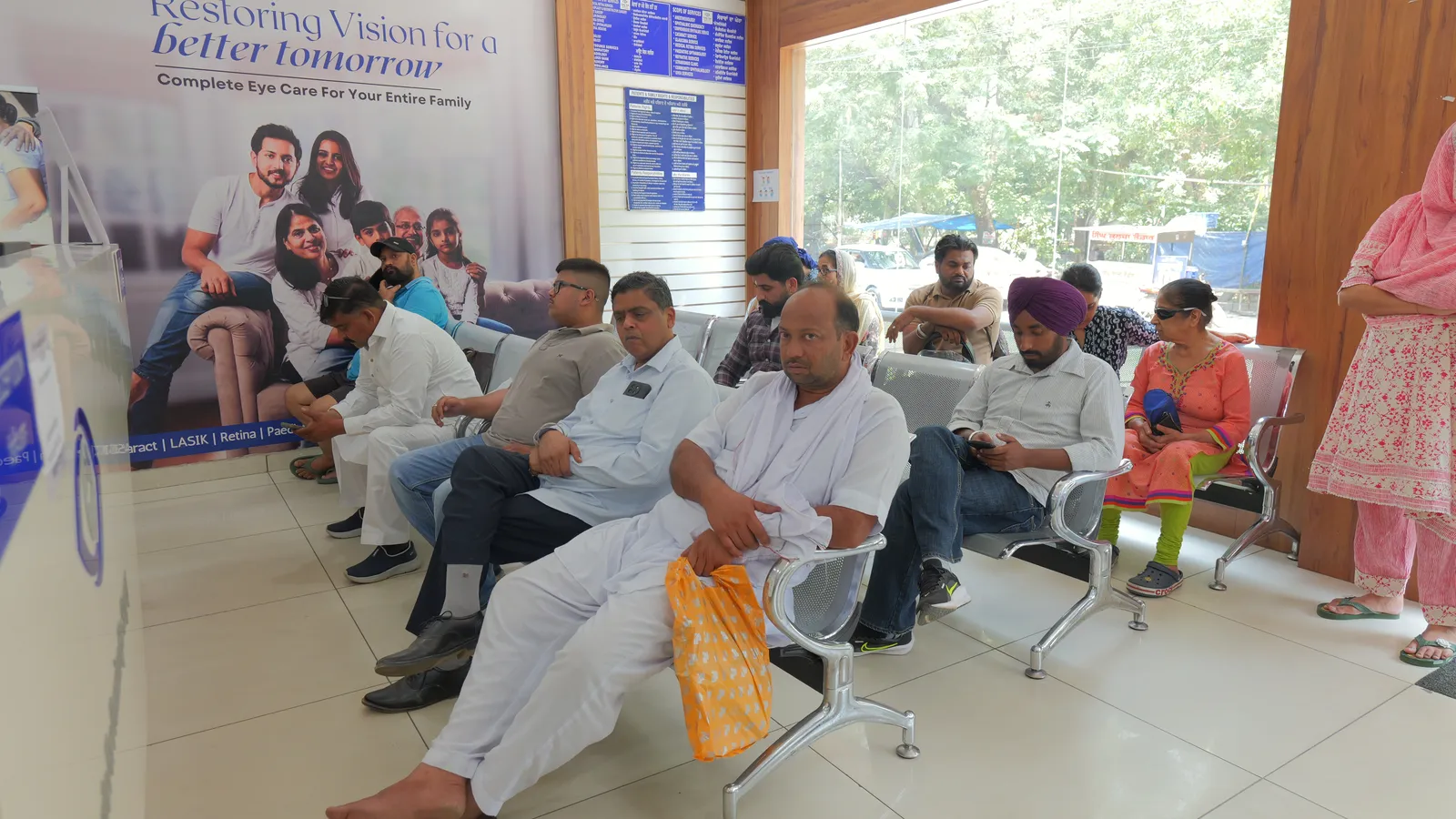
Coming from the bus stand, Leela Bhawan, Urban Estate, Tripuri, Bhadson Road or SST Nagar
Open the hospital pin on Google Maps and follow the route, or call +91 98554-91500 and the desk will guide you. OPD runs Monday to Saturday, 9 AM to 5 PM. Mornings are quieter, so a visit that starts at 9 or 10 AM usually finishes sooner.
Coming from Punjabi University, Thapar University or the Sheran Wala Gate side
Students and staff from this side of Patiala usually come between classes. Tell the desk your timetable when you book and the visit can be planned around it.
Coming from Nabha, Rajpura, Samana, Sirhind-Fatehgarh Sahib, Sangrur, Malerkotla or Khanna
Patients travel from these towns for eye care. See the pages for Nabha, Rajpura, Samana, Sirhind, Sangrur, Malerkotla and Khanna. Bring one family member, because eye drops can blur vision for a few hours after tests.
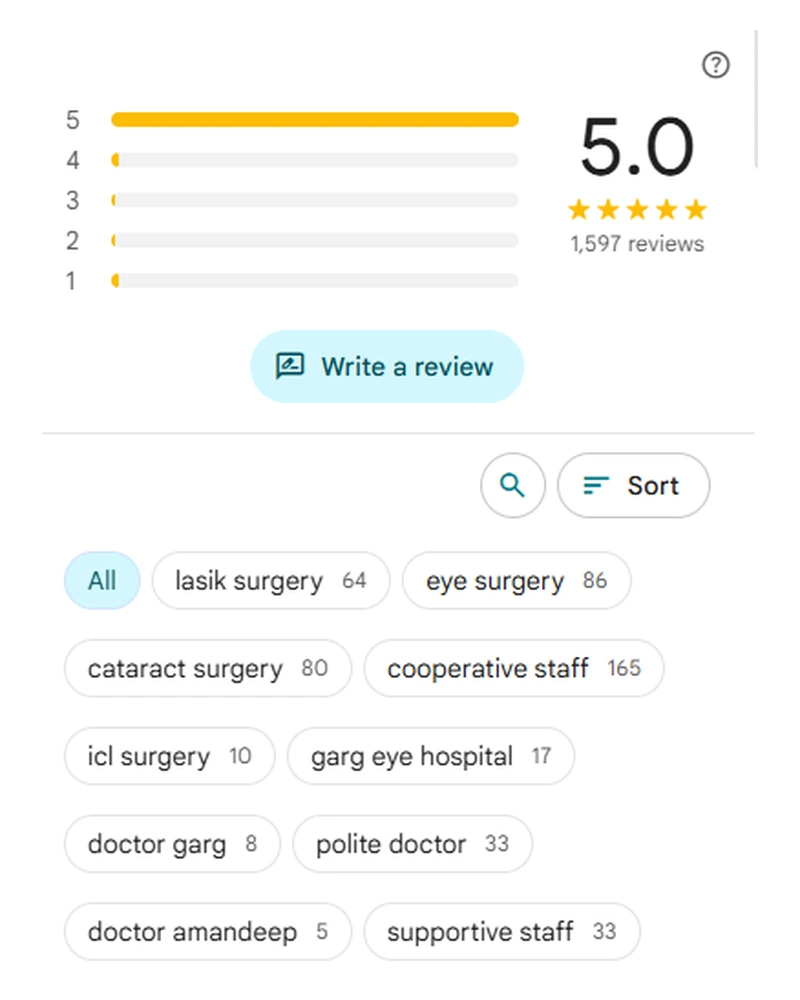
What patients wrote on Google about Garg Eye Hospital, Patiala
The Google listing of Garg Eye Hospital, Patiala, shows a 5.0 rating from 1,597 reviews (1,566 five star, read on 27 November 2026). These are screenshots of public reviews, shown as they appear.
Frequently asked questions about retina treatment in Patiala
Retina specialist in Patiala: who can I see at Garg Eye Hospital?
Dr. Amandeep Garg, MBBS, DNB, examines the retina at the hospital on Passey Road. He explains which retina treatments are done there and which need a retina centre.
Retina doctor in Patiala: what tests are done?
A dilated retina examination, OCT and digital fundus angiography, with a slit lamp and tonometer for the rest of the eye. The doctor decides which tests you need.
Retina surgeon in Patiala: is surgery done at Garg Eye Hospital?
The doctor tells you after examining your retina which step is done at the hospital and which is advised at a retina centre. You are told before any decision.
Black spots in front of the eyes: what is the treatment?
Many floaters are harmless, but new floaters, flashes or a shadow can mean a retinal tear. An examination with dilated drops decides whether you need laser or surgery or only observation.
Weak spots in the retina: do they need treatment?
Only some do. The doctor looks at the retina edges and decides. Laser is used for certain weak areas, especially in high short sight.
Eye floaters laser treatment cost in India: what is the range?
Public listings show wide ranges. Many floaters need no treatment at all. Ask for an examination before you compare prices.
Retina operation cost in India and in Patiala
Public listings read on 27 November 2026 show vitrectomy at about ₹24,000 to ₹70,000 and detachment surgery from about ₹45,000. These are market ranges, not hospital prices.
Retina laser treatment: is it painful?
Most patients feel pressure or a brief flash discomfort. Numbing drops are used. The doctor explains what to expect for your eye.
How much does a retina eye injection cost?
Public listings show about ₹20,000 to ₹25,000 or more per injection, and some conditions need more than one. These are market ranges, not hospital prices.
What are the symptoms of retinal detachment?
A shower of new floaters, flashes of light, and a curtain or shadow in part of the vision. It needs an examination the same day.
Retina specialist in Patiala: do I need an appointment?
Call +91 98554-91500 first. If symptoms are sudden, say so on the call.
What are the OPD timings for a retina check in Patiala?
Monday to Saturday, 9 AM to 5 PM, at Passey Road, near Gurudwara Dukh Niwaran Sahib.
Does insurance cover retina treatment?
Many policies cover retina surgery and injections when medically needed. Bring your policy or card to the desk. The hospital works with insurers, TPAs and government schemes.
Retina ka ilaj Patiala mein kahan hota hai?
Garg Eye Hospital, Passey Road, Patiala mein Dr. Amandeep Garg retina ki jaanch karte hain. Naye kale dhabbe, roshni ki chamak ya parda aane par usi din dikhayein. Call: +91 98554-91500.
Contact Garg Eye Hospital, Patiala
Passey Road, Near Gurudwara Dukh Niwaran Sahib, Patiala, Punjab 147001
Phone: +91 98554-91500
Email: gargeyehosp@gmail.com
OPD: Monday to Saturday, 9 AM to 5 PM
Open the map