
ICL Surgery in Patiala: Implantable Collamer Lens for High Power and Thin Corneas
ICL surgery at Garg Eye Hospital in Patiala places a thin, soft lens inside the eye to correct short sight, long sight or astigmatism without removing corneal tissue. It is planned and performed by Dr. Amandeep Garg, MBBS, DNB, for patients whose eyes suit it better than laser. Every case starts with corneal mapping, depth and cell measurements.
Quick answer
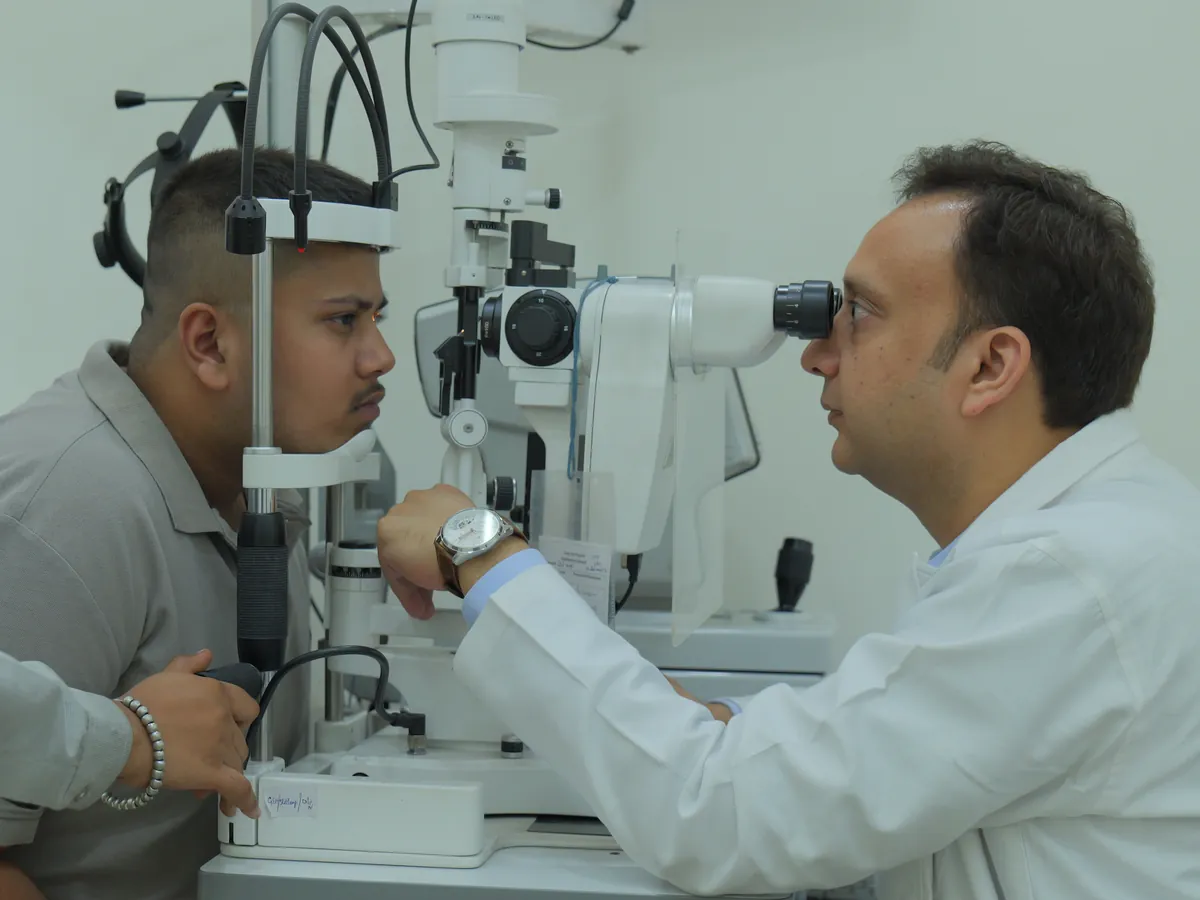
ICL surgery in Patiala at Garg Eye Hospital places an implantable collamer lens inside the eye, in front of your natural lens, to correct high power without removing corneal tissue. Dr. Amandeep Garg, MBBS, DNB, is the only surgeon and plans each case after corneal mapping, thickness, chamber depth and cell checks. It suits very high power, thin corneas and some dry eyes. Most patients return to desk work in a few days. Call +91 98554-91500.
What is ICL surgery?
ICL stands for implantable collamer lens. It is a thin, soft, foldable lens made of a biocompatible material called collamer. In ICL surgery, the lens is placed through a tiny opening at the edge of the cornea. It sits behind the coloured iris and in front of your natural lens. It works with your natural eye like a contact lens that lives inside the eye, so you do not insert or remove it each day.
Patients also search for it as "ICL lens", "implantable contact lens", "ICL eye surgery", "ICL operation" and "phakic lens". The word phakic means that your natural lens stays in place.
| Feature | ICL |
|---|---|
| Corneal tissue removed | None |
| Natural lens | Stays in place |
| Typical corrections | Short sight, long sight and astigmatism, using suitable lens types |
| Opening size | A few millimetres, self sealing |
| Stitches | Usually none |
| Reversible | The lens can be removed or exchanged by a surgeon |
| Procedure time | Often 15 to 30 minutes per eye |
Who performs ICL surgery at Garg Eye Hospital?
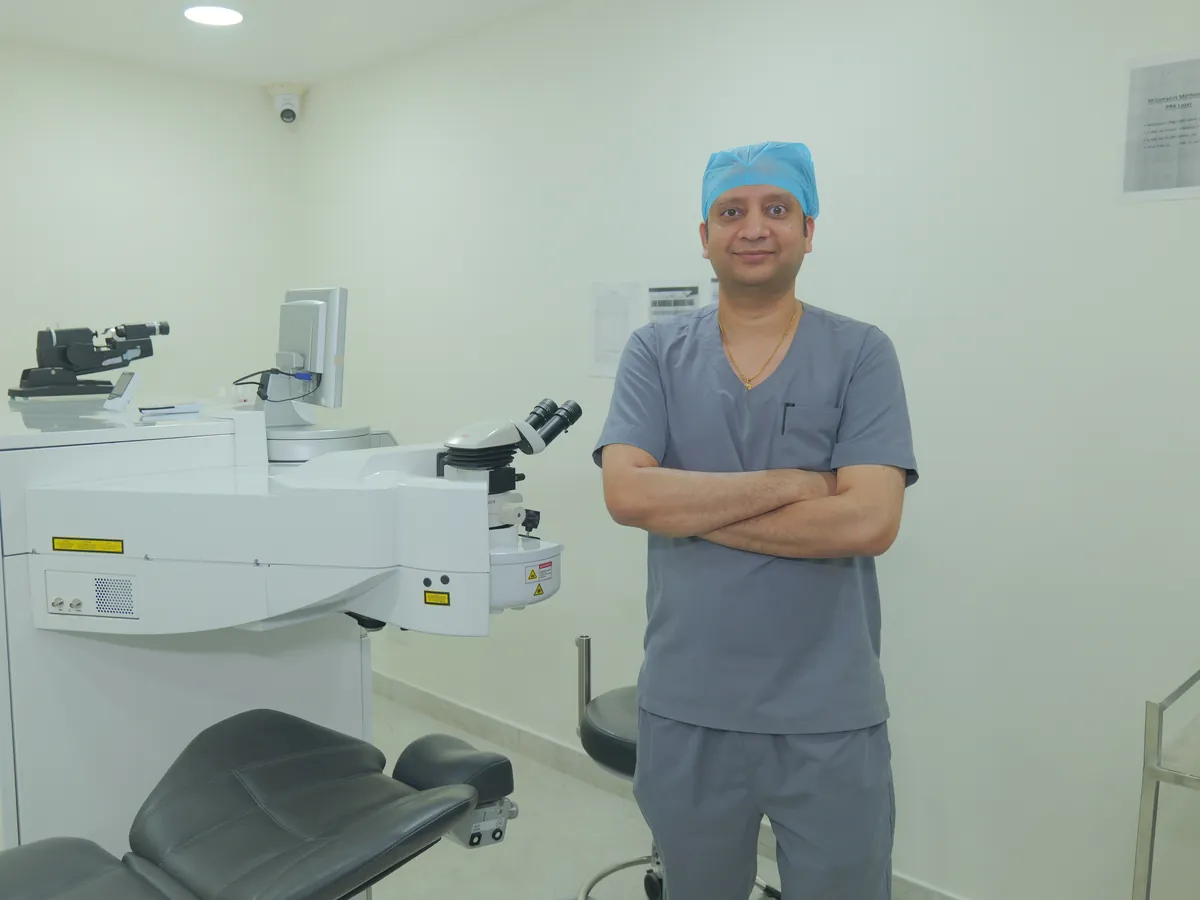
Dr. Amandeep Garg, MBBS, DNB, is the only surgeon at Garg Eye Hospital. He is a phaco and LASIK surgeon, and ICL for suitable patients is a listed service. He examines you, reads your maps, advises the lens and operates. His background includes an association with Sir Ganga Ram Hospital, Delhi, and a consultant role at Manipal (Columbia Asia) Hospital, Patiala. See his profile on the eye specialist page.

Dr. Amandeep Garg
MBBS, DNB, Phaco and LASIK Surgeon
Dr. Amandeep Garg specialises in cataract surgery and laser vision correction. His background includes an association with Sir Ganga Ram Hospital, Delhi, and a consultant role at Manipal (Columbia Asia) Hospital, Patiala. His approach is careful examination, clear communication and a suitable treatment option for each patient.
When is ICL a better choice than LASIK?
ICL is not a replacement for LASIK. It is a different tool for a different eye. Your surgeon may lean toward ICL when one or more of these apply.
| Situation | Why ICL may suit |
|---|---|
| Very high short sight | Laser would need to remove a lot of corneal tissue. ICL leaves the cornea untouched |
| Thin cornea | A thin cornea may not safely allow laser treatment |
| Dry eye | LASIK can worsen dryness for a while. ICL does not cut corneal nerves in the same way |
| Borderline corneal map | The surgeon may prefer not to reshape a borderline cornea |
| You want a reversible option | The lens can be removed by a surgeon if needed |
| High astigmatism | A toric lens can correct high cylinder in suitable eyes |
LASIK may still be the sensible choice when your power is moderate and the cornea is thick and healthy, partly because it usually costs less. Read LASIK eye surgery in Patiala and the specs removal surgery guide to compare.
ICL versus LASIK: a side by side view
| Point | ICL | LASIK |
|---|---|---|
| How it corrects | A lens inside the eye | Reshapes the cornea |
| Tissue removed | None | Corneal tissue |
| High power | Often suitable | Limited by corneal thickness |
| Thin cornea | May suit | Usually not suitable |
| Dry eye after surgery | Usually less | More common for a few weeks or months |
| Reversibility | Lens can be removed | Corneal change is permanent |
| Typical cost in Patiala | Higher | Lower |
| Long-term checks | Regular checks for lens position, pressure and cataract | Regular eye checks |
| Night glare | Possible | Possible |
| Recovery | Quick | Very quick |
The right answer depends on your eyes. The next section shows the tests that decide it.
What tests decide whether you are suitable for ICL?
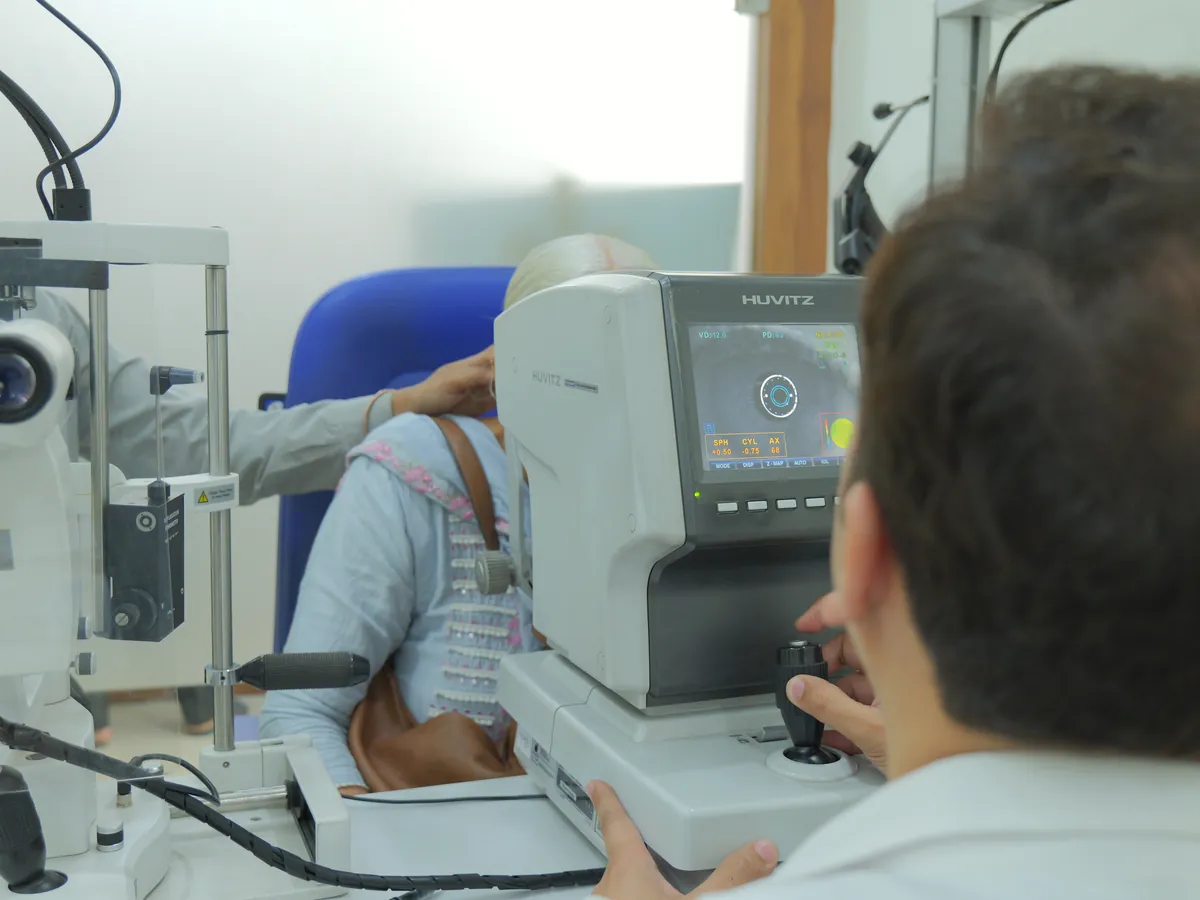
ICL needs measurements that LASIK does not. The machines and tests listed at Garg Eye Hospital for this planning include the following.
| Test or machine | Why it matters for ICL |
|---|---|
| Auto-refractometer and chart | Your power and corrected vision at its sharpest |
| Pentacam | Maps the cornea and measures the depth of the front chamber of the eye |
| Pachymeter | Corneal thickness |
| IOL Master and Lenstar | Biometry measurements, including eye length and chamber depth, used to choose lens size |
| Specular microscope | Counts and examines the cells that line the inner surface of the cornea. A healthy count is needed for ICL |
| Tonometer | Eye pressure |
| Slit lamp | Examines the cornea, iris and natural lens, including any early cataract |
| OCT and dilated retina examination | The macula and the periphery of the retina. High power eyes can have weak retinal areas |
The lens must fit your eye. Too small a lens may rotate or touch the natural lens, and too large a lens may raise pressure or crowd the eye. This is why measurements, not a standard size, set the plan.
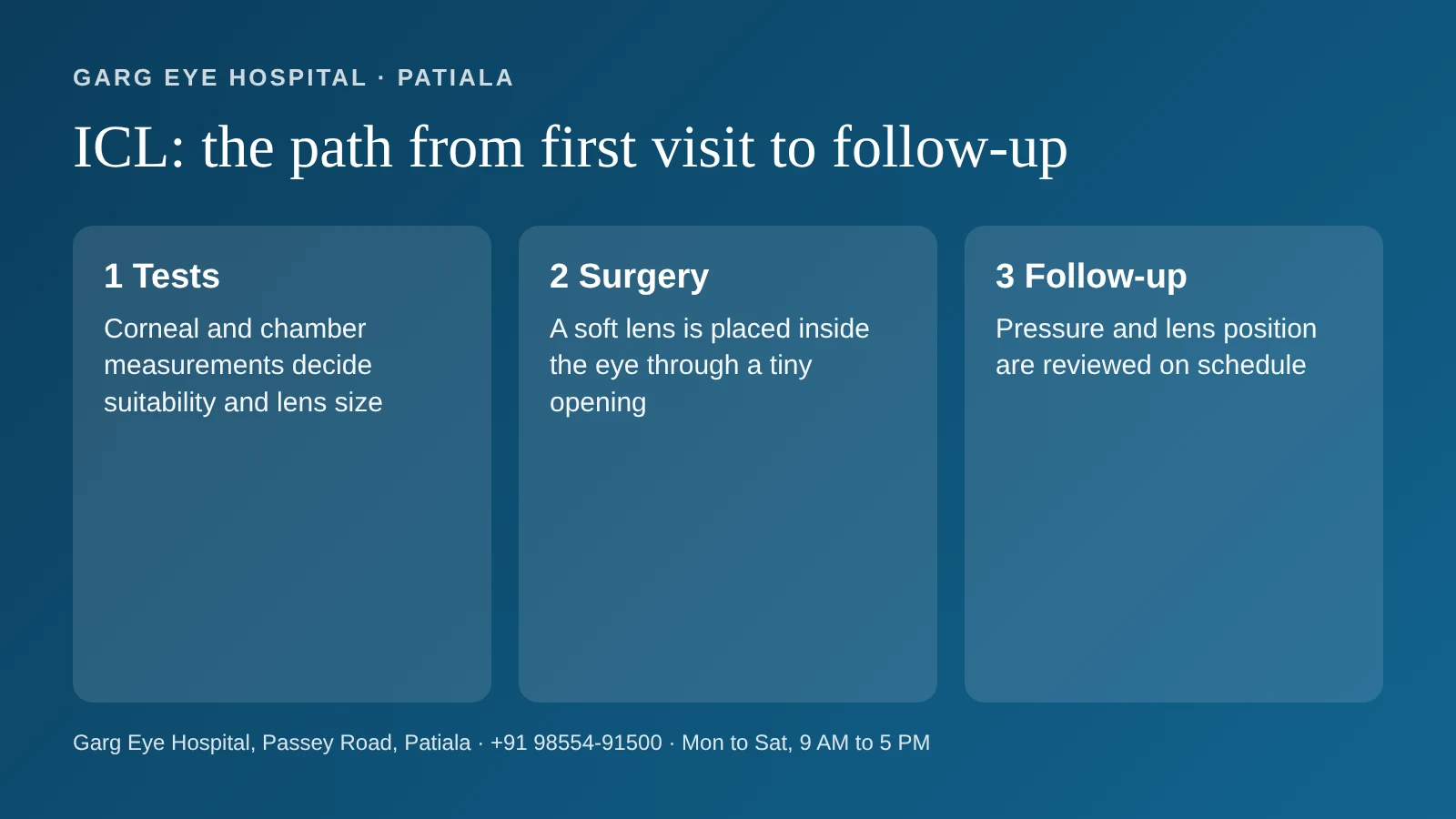
- 1HistoryGlasses, health, medicines and goals
- 2Vision and powerChart and auto-refractometer
- 3PressureTonometer
- 4Corneal map and depthPentacam
- 5ThicknessPachymeter
- 6BiometryIOL Master and Lenstar
- 7Cell healthSpecular microscope
- 8RetinaOCT and dilated examination
- 9PlanLens choice, size and date
Who is a good candidate for ICL?
| Point | General guideline |
|---|---|
| Age | About 21 to 45. Younger or older needs a closer discussion |
| Stable power | No real change for about a year |
| Power | Often used for moderate to very high short sight, and for selected long sight and astigmatism |
| Anterior chamber depth | Deep enough to place the lens safely |
| Corneal cells | Healthy count and shape |
| Natural lens | Clear. An early cataract changes the plan |
| Eye pressure | Normal, with no uncontrolled glaucoma |
| Retina | Healthy or treated if weak areas are found |
| Expectations | Realistic. ICL corrects distance power. It does not remove age-related reading glasses |
If any of these is not met, the surgeon explains what can change and what the alternatives are.
What is the age limit for ICL?
Most surgeons treat ICL in adults from the early twenties to the mid forties. After the mid forties, the natural lens starts to stiffen, and cataract is closer. A lens-based option may then suit better. See the cataract surgery page.
Who should not have ICL?
ICL is not advised when the front chamber is too shallow, the corneal cells are low, the power is still changing, there is active eye disease, uncontrolled glaucoma or an existing cataract, or during pregnancy and breastfeeding. A person who is not suitable may be advised to wait, to choose another route, or to keep glasses.
What types of ICL lenses exist?
Lens names and models differ by manufacturer. In general, the choice is between these types.
| Type | Used for |
|---|---|
| Standard lens | Short sight without significant astigmatism |
| Toric lens | Short sight with astigmatism. The lens is positioned at a set angle |
| Lens for long sight | Selected cases of long sight |
| Different sizes | Chosen from your eye measurements |
The surgeon explains which lens is planned for your eye, the brand, the power and the size. Ask for the lens details in writing with your estimate. Do not choose a lens by price alone.
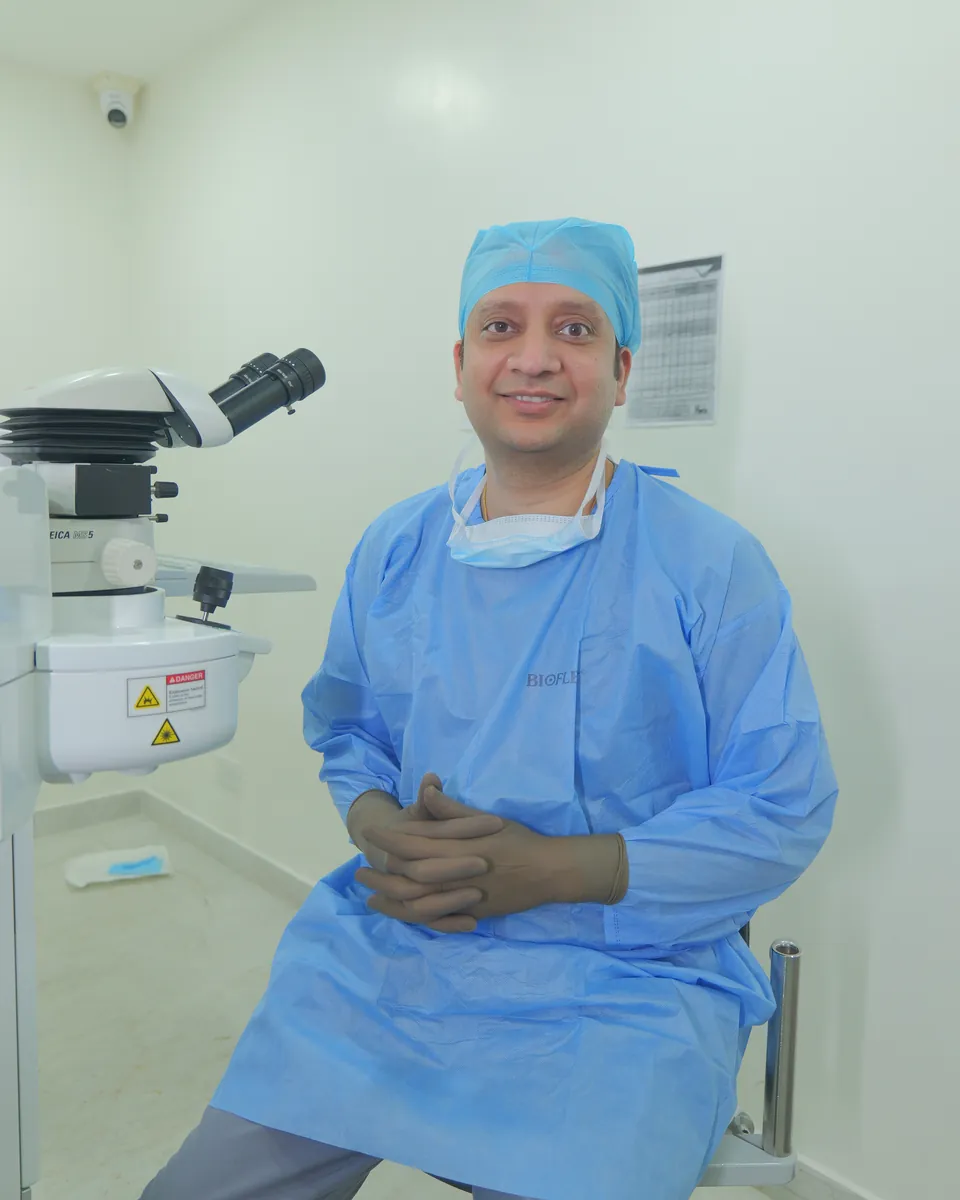
How is ICL surgery performed?
- Preparation. Drops numb the eye and keep the pupil in a suitable state. You lie back, and the eye area is cleaned.
- The opening. A tiny opening is made at the edge of the cornea.
- Lens placement. The folded lens is passed through the opening and unfolds inside the eye. It is positioned behind the iris and in front of your natural lens.
- Finish. The opening seals itself. A shield may be placed. You rest and are checked.
Both eyes can be done a few days apart, or on the same day in some plans. The surgeon decides.
Is ICL surgery painful?
The eye is numbed, so you do not feel pain during surgery. You may feel light pressure or see light and shadows. After surgery, mild irritation, watering and blur from drops are common, and these ease. Strong pain is not normal. Call the hospital if you have it.
What is recovery like after ICL?
| When | What to expect |
|---|---|
| Same day | Rest. Blur from drops. Mild irritation |
| Next day | Review. Sight is often clear or much improved |
| First week | Drops, no rubbing, no heavy lifting. Desk work in a few days |
| First month | Sight settles. Review visits continue |
| 3 months | Final result in most eyes |
Do not rub the eye. Keep water, soap and dust away in the early days. Wear dark glasses outdoors. Avoid eye makeup for the period advised. Ask when you can swim and exercise.
What care is needed for years afterwards?
ICL needs regular follow-up after the first months. A yearly eye check is usual, and the surgeon looks at lens position, eye pressure, corneal cells and the natural lens. Skipping checks can allow a small problem to grow. This is a commitment, and it should be part of your decision.
What are the risks and side effects of ICL?
All surgery carries risk. These are the main ones for ICL.
| Possible issue | What to know |
|---|---|
| Cataract formation | A small risk in the years after ICL. It is monitored and treated with cataract surgery if needed |
| Raised eye pressure | Can occur early or later. Checked at reviews and treated |
| Loss of corneal cells | A small, slow loss can occur. The cell count is monitored |
| Glare and halos | Some people see halos at night, especially in the first weeks |
| Lens position or rotation problems | A toric lens may rotate and need re-positioning |
| Infection or inflammation | Uncommon, and treated urgently |
| Retinal detachment | A very small risk, higher in eyes with very high short sight |
| Under or over correction | A small power may remain. Glasses or a lens adjustment can help |
The surgeon explains these risks in plain words before you decide. Careful measurement and regular follow-up reduce them.
Can an ICL be removed or replaced?
Yes. This is one of the reasons some patients choose it. A surgeon can remove an ICL or exchange it for a different power or size if needed. If a cataract forms, the lens is usually removed during cataract surgery. Removal is a surgical procedure and carries its own small risks.
Does ICL last for life?
The lens is designed to last for many years without replacement. Your eyes can still change. A cataract can form with age. Reading glasses are needed after the early forties for most people. The word "lifetime" is a hope, not a promise. A yearly check is the way to keep it safe.
Will ICL cause dry eye?
ICL does not cut the corneal nerves the way a LASIK flap does, so dryness is usually less. Some patients still notice mild dryness from drops or from screen use. Lubricating drops help. If you already have significant dry eye, ICL may be a gentler choice than LASIK. See dry eye care in Patiala.
Can ICL correct astigmatism?
Yes, with a toric lens, within limits. The lens must sit at the right angle, so careful measurement matters.
Can people with keratoconus have ICL?
Keratoconus is a disease in which the cornea thins and bulges. LASIK is avoided in it. In a stable, mild case, a surgeon may consider other options along with corneal treatment. This needs specialist assessment and is not a general promise. See keratoconus care in Patiala.
How much does ICL surgery cost in Patiala?
ICL prices in Patiala vary by lens type and hospital. A public listing read on 27 November 2026 showed ICL at about ₹50,000 to ₹80,000 per eye, depending on the lens. This is a planning range, not the hospital's own price list.
| Lens type, as listed publicly | Approximate price per eye |
|---|---|
| Lower priced implantable lens | About ₹50,000 to ₹55,000 |
| Mid range lens | About ₹55,000 to ₹75,000 |
| Higher priced lens, such as a branded collamer lens | About ₹75,000 to ₹80,000 and above |
| Toric lens | Usually higher than a standard lens of the same make |
For both eyes, plan about ₹1,00,000 to ₹1,60,000. Your own estimate depends on the lens, power and tests. Ask the desk to itemise the lens, surgery, tests, medicines and reviews. Compare it with LASIK surgery cost in Patiala if both routes are possible for you.
Why is ICL costlier than LASIK?
The lens itself is a manufactured, custom product, and the planning and follow-up are more detailed. LASIK uses laser time, not a lens implant. A higher price does not make a better result. Ask for the written estimate and compare line by line.
Does insurance cover ICL surgery?
Most policies treat ICL as elective vision correction, so cover is limited. Some policies pay a part when power is above a set limit. Corporate plans vary. Read your policy, and ask the desk what documents are needed for a claim. For the full picture of cashless care at the hospital, see eye hospital insurance and cashless care in Patiala.
ICL and the army, railways and police
Rules for uniformed services differ by service and branch and change over time. Some restrict refractive surgery. Check the current rules before surgery, and tell the surgeon your plan.
ICL surgery in Patiala: what people here ask
People searching for ICL near Patiala often compare cities. Searches such as ICL surgery in Chandigarh, PGI Chandigarh, Ludhiana and Punjab appear next to Patiala. The practical points are the surgeon, the tests, the lens price and the follow-up.
ICL surgeon in Patiala
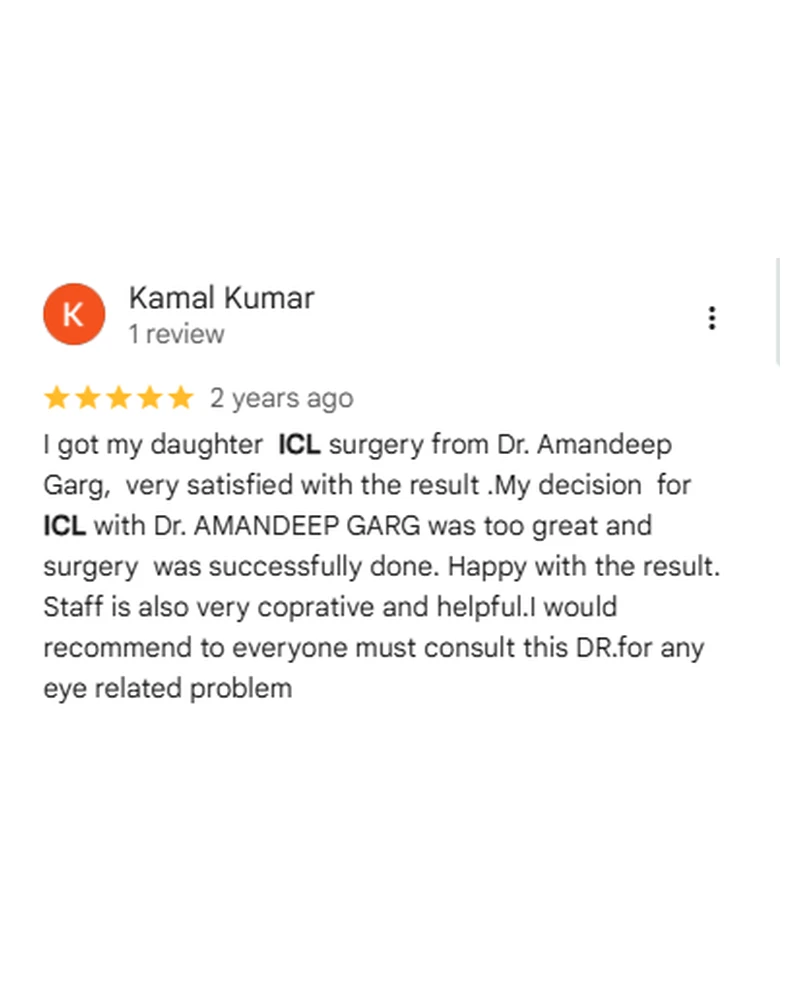
Dr. Amandeep Garg, MBBS, DNB, plans and performs ICL at Garg Eye Hospital, Passey Road, Patiala. He is the only surgeon at the hospital. A reviewer on Google wrote that her daughter had ICL with him and that the family was very satisfied, and that screenshot is shown below.
ICL lens price in Patiala and Punjab
Public listings read on 27 November 2026 show ICL at about ₹50,000 to ₹80,000 per eye in Patiala, depending on the lens type. These are market ranges, not hospital prices. The lens price is the larger part of the cost, so ask for a written estimate after the examination.
Why travel to Chandigarh or Ludhiana when you can be examined in Patiala?
You may still decide to compare. Bring your tests to any second opinion. Whichever hospital you choose, ask who the surgeon is, which tests decide lens size, and who handles problems after surgery. At Garg Eye Hospital the answers are Dr. Garg, the corneal and chamber measurements done in house, and the same OPD that you visit for follow-up.
Toric ICL for astigmatism
If you have astigmatism along with high short sight, a toric lens may be discussed. Whether it suits you depends on your measurements.
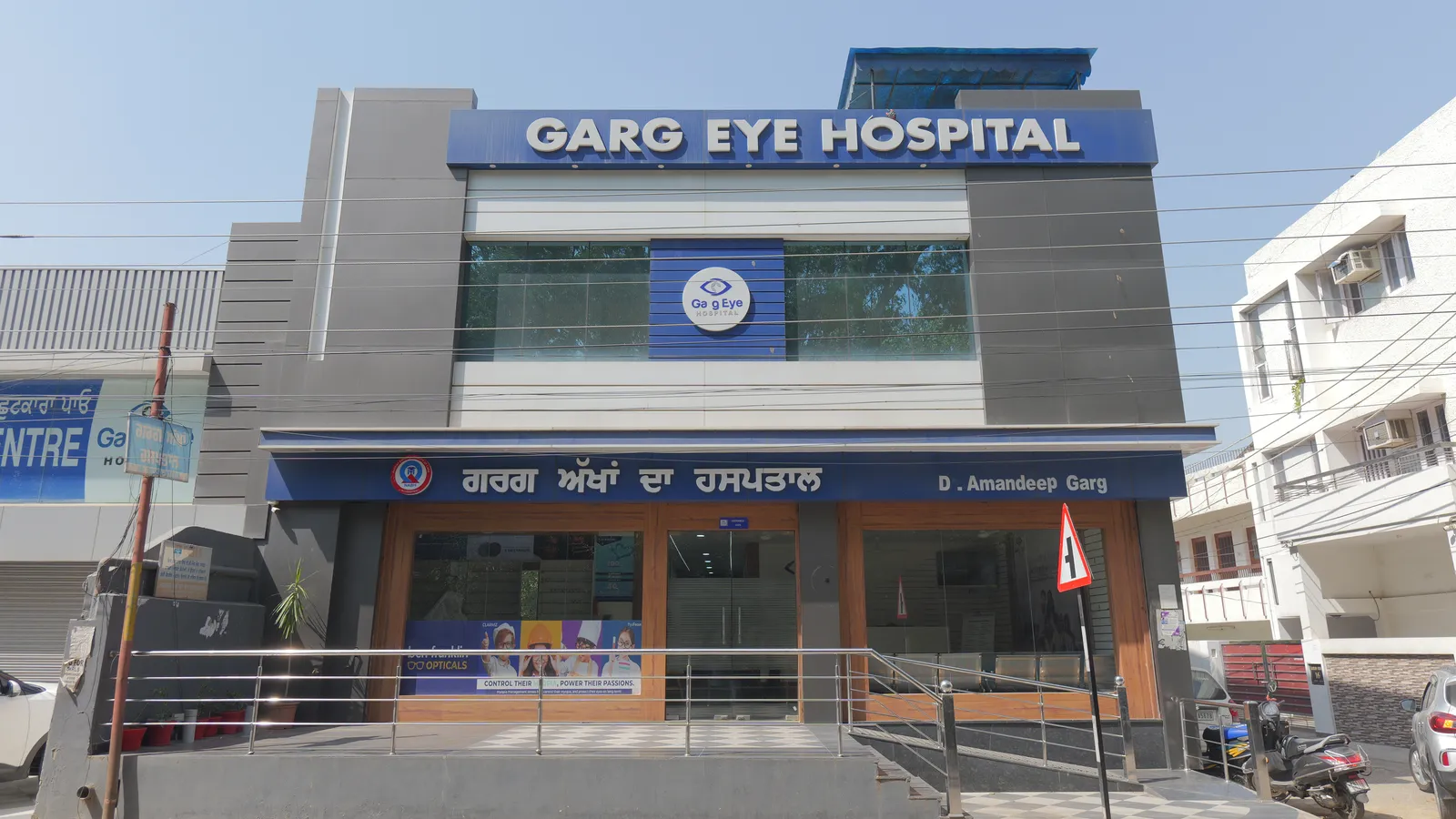
Garg Eye Hospital on Passey Road, Patiala: how to reach us for ICL surgery
Garg Eye Hospital is on Passey Road, Patiala, Punjab 147001, near Gurudwara Dukh Niwaran Sahib. On Google Maps the pin sits close to the Sikh Museum, on the Passey Road and Sirhind Road side of the city. Ask for Garg Eye Hospital near Dukhniwaran Sahib and anyone nearby can point you to it.
Coming from the bus stand, Leela Bhawan, Urban Estate, Tripuri, Bhadson Road or SST Nagar
Open the hospital pin on Google Maps and follow the route, or call +91 98554-91500 and the desk will guide you. OPD runs Monday to Saturday, 9 AM to 5 PM. Mornings are quieter, so a visit that starts at 9 or 10 AM usually finishes sooner.
Coming from Punjabi University, Thapar University or the Sheran Wala Gate side
Students and staff from this side of Patiala usually come between classes. Tell the desk your timetable when you book and the visit can be planned around it.
Coming from Nabha, Rajpura, Samana, Sirhind-Fatehgarh Sahib, Sangrur, Malerkotla or Khanna
Patients travel from these towns for eye care. See the pages for Nabha, Rajpura, Samana, Sirhind, Sangrur, Malerkotla and Khanna. Bring one family member, because eye drops can blur vision for a few hours after tests.
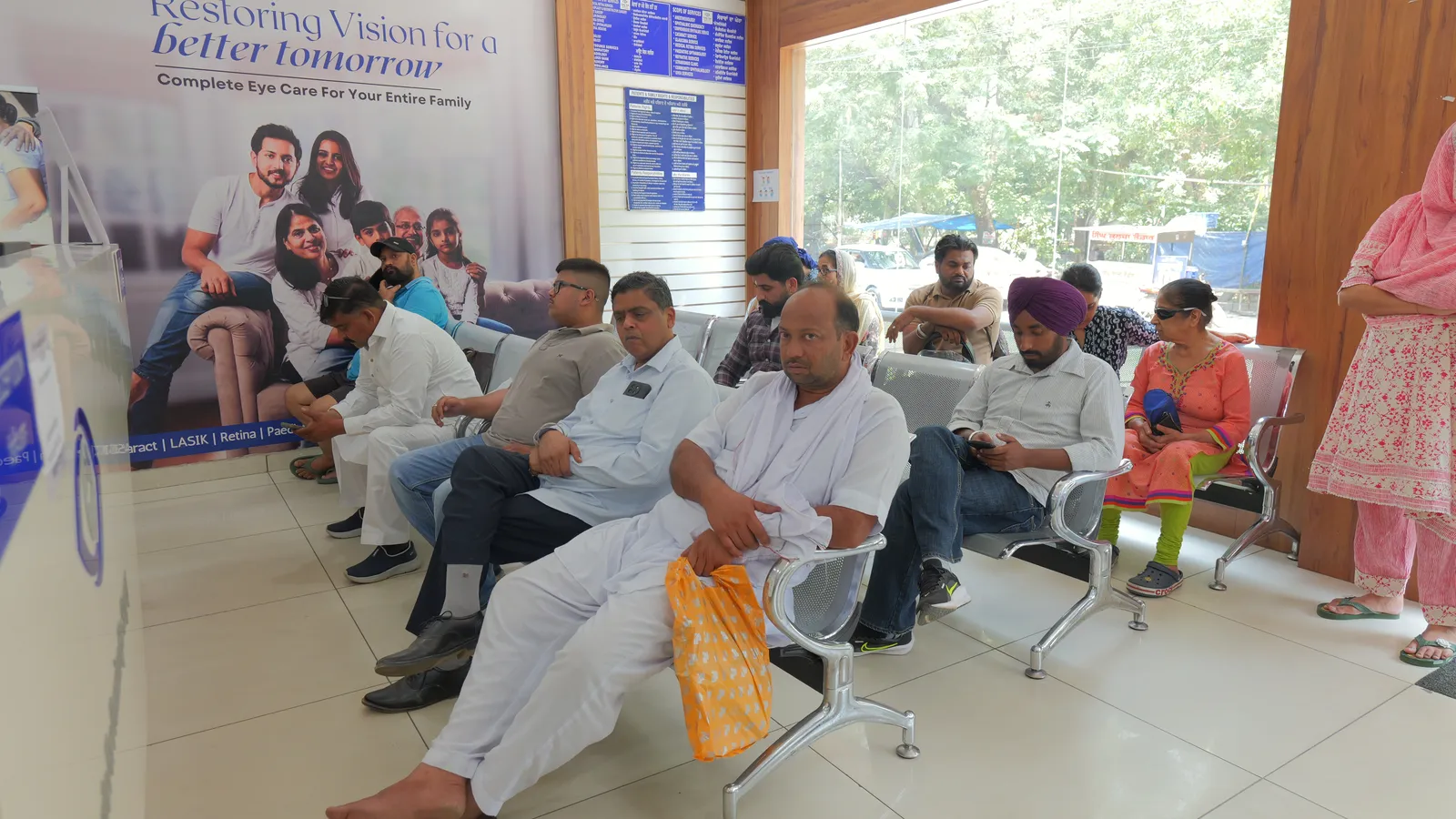
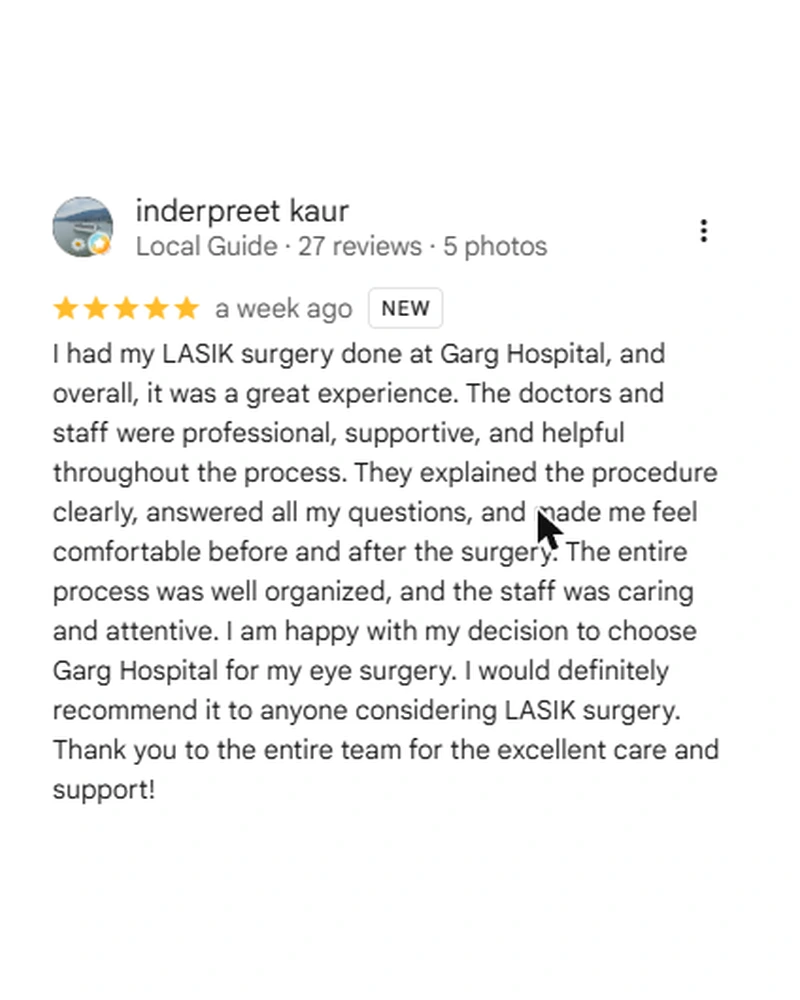
What patients wrote on Google about Garg Eye Hospital, Patiala
The Google listing of Garg Eye Hospital, Patiala, shows a 5.0 rating from 1,597 reviews (1,566 five star, read on 27 November 2026). These are screenshots of public reviews, shown as they appear.
Frequently asked questions about ICL surgery in Patiala
ICL surgery in Patiala: where is it done?
At Garg Eye Hospital, Passey Road, near Gurudwara Dukh Niwaran Sahib, Patiala. Dr. Amandeep Garg, MBBS, DNB, is the surgeon.
What is the cost of ICL surgery in Patiala?
Public listings read on 27 November 2026 show about ₹50,000 to ₹80,000 per eye in Patiala. These are market ranges, not hospital prices. Ask for a written estimate after your examination.
ICL lens price in India: why does it vary?
The price depends on the lens type, whether it is toric for astigmatism, the hospital and the tests. A cheaper quote may leave out items, so ask what is included.
What are the side effects of ICL surgery?
Possible effects include glare or halos at night, raised eye pressure, cataract formation over time and, rarely, infection. Proper sizing and regular check-ups lower these risks. The doctor explains them for your eyes.
What are the long term effects of ICL surgery?
The lens is meant to stay in the eye for years. Long term care means regular reviews of eye pressure, the lens position and the clarity of your natural lens. Ask about the review schedule when you plan surgery.
Toric ICL surgery side effects: are they different?
The risks are similar. The extra point is that a toric lens must sit at the right angle, so the position is checked after surgery.
ICL surgery side effects in Hindi: kya dikkat ho sakti hai?
ICL ke baad raat mein roshni ke aaspaas ghera dikhna, aankh ka pressure badhna aur lambe samay mein motiya ban sakta hai. Yeh kam hota hai aur niyamit jaanch se pakda jaata hai. Doctor aapki aankh ke hisaab se batate hain.
ICL surgery vs LASIK: which should I choose?
Your power, corneal thickness, dry eye and anterior chamber depth decide. Very high power or a thin cornea points to ICL. Moderate power with healthy corneas often suits LASIK.
What is the recovery time after ICL surgery?
Vision improves quickly, often within a day or two, and routine work resumes in a few days. Review visits continue for longer. Follow the drop schedule exactly.
What is the age limit for ICL?
ICL is usually considered from the early twenties, once the power is stable, up to about the mid forties. The depth of the front chamber of your eye matters as much as age.
Can ICL be removed?
Yes. A surgeon can remove or exchange the lens, which is one reason some patients prefer it over laser.
Is ICL better than LASIK for high power?
For very high power it is often preferred, because it does not remove corneal tissue. Your tests decide.
Does insurance cover ICL?
Most policies treat it as elective vision correction, so cover is limited. Some plans reimburse in part when the power is high. Bring your policy to the desk.
How do I book an ICL evaluation in Patiala?
Call +91 98554-91500, Monday to Saturday, 9 AM to 5 PM, or use the booking page. The first visit is an examination, not surgery.
ICL kya hai aur Patiala mein kahan hota hai?
ICL ek soft lens hai jo aankh ke andar lagaya jaata hai taaki chashma ya lens ki zaroorat kam ho. Patiala mein Garg Eye Hospital, Passey Road par Dr. Amandeep Garg yeh karte hain. Call: +91 98554-91500.
Contact Garg Eye Hospital, Patiala
Passey Road, Near Gurudwara Dukh Niwaran Sahib, Patiala, Punjab 147001
Phone: +91 98554-91500
Email: gargeyehosp@gmail.com
OPD: Monday to Saturday, 9 AM to 5 PM
Open the map