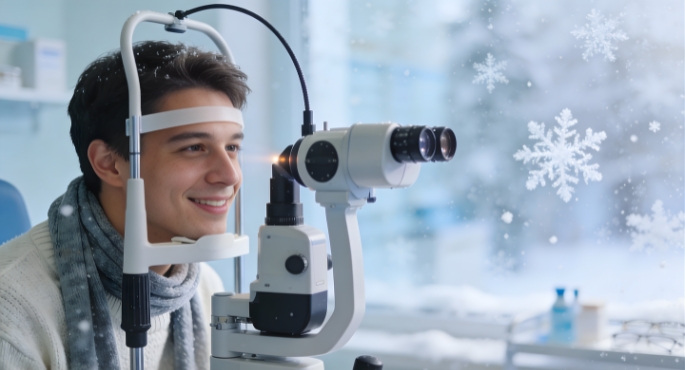
Right time for LASIK Surgery is one of the most common questions patients ask when considering permanent vision correction. While LASIK can be performed safely year-round, seasonal factors can influence comfort, recovery, and the overall experience.
At Garg Eye Hospital, patients often prefer winter months for LASIK due to favorable healing conditions and easier post-operative care. Understanding why winter is considered advantageous can help you make an informed, confident decision about your eye health.
Why Winter Is Considered the Right Time for LASIK Surgery
Winter brings some practical advantages for people recovering from LASIK. The cooler weather means less sweating, which helps lower the risk of irritation and infection right after surgery.
Patients also tend to feel more comfortable outside, making it easier to keep their eyes protected from dust and pollution.
Dryness is another important factor. While winter air can be dry, it is usually less harsh than the heat and dust of summer. With proper lubrication and aftercare, dry eye symptoms after LASIK are often easier to manage in colder months.
How Seasonal Conditions Affect LASIK Recovery
- Reduced exposure to harsh sunlight minimizes glare sensitivity
- Lower pollen levels than in spring mean fewer allergic reactions in your eyes.
- Mild weather makes it easier to rest and follow your post-surgery instructions.
These steps can make healing easier and help your vision stabilize faster.
Expert Insights from Garg Eye Hospital on the Right Time for LASIK Surgery
From a clinical perspective, the season alone does not determine suitability for LASIK. According to the specialists at Garg Eye Hospital, patient evaluation is far more critical. Factors such as corneal thickness, stable eye power, tear film quality, and overall eye health play a decisive role.
Patients seeking LASIK Eye Surgery in Punjab often choose winter because it aligns well with work schedules, holiday breaks, and recovery needs.
However, expert consultation ensures that the procedure is recommended only when it is medically appropriate, regardless of the time of year.
How Winter Enhances Post-LASIK Comfort
Winter weather means less glare, less sweating, and less time spent outdoors, all of which can help protect your eyes as they heal after LASIK. People are also less likely to swim or travel right after surgery, which lowers the risk of infection and helps recovery go more smoothly.
Why Choosing the Right Hospital Matters More Than the Season
The results of eye surgery depend a lot on the skill of the surgical team and the technology they use. Garg Eye Hospital is known as one of the top eye hospitals in Punjab because it puts patients first, uses advanced laser systems, and follows strict safety standards.
Every LASIK procedure is tailored to each patient. This strategy supports achieving precise results and a lasting, clear vision, instead of using the same method for everyone.
Patient Safety and Long-Term Vision Outcomes
- Comprehensive pre-surgery screening.
- Our sterilization and quality standards follow NABH guidelines to ensure your safety.
- We provide organized follow-up care to help maintain your vision after surgery.
Focusing on safety and ethics helps earn lasting trust and keeps patients satisfied over time.
Best LASIK Surgeon in Punjab: Meet Dr. Amandeep Garg
Patients feel even more confident thanks to the leadership of Dr. Amandeep Garg, MBBS, DNB, an experienced Phaco and LASIK surgeon. Dr. Garg has worked at Sir Ganga Ram Hospital in New Delhi and was a Consultant at Manipal (Columbia Asia) Hospital in Patiala.
With his strong surgical background and dedication to ethical eye care, every patient can expect honest advice and sound clinical recommendations.
Conclusion
Winter can be a good time for LASIK since the weather is comfortable, but the surgeon’s skill matters more than the season.
At Garg Eye Hospital, patients receive advice based on their health needs, not trends. If you’re thinking about LASIK, a professional consultation will help you find the safest and most suitable time.