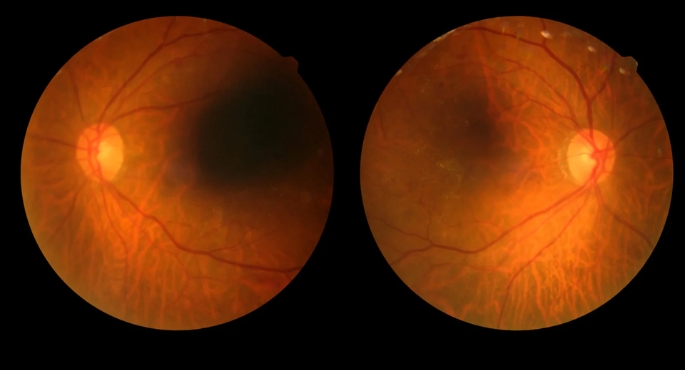
Diabetic Retinopathy Treatment is crucial for anyone living with diabetes, as elevated blood sugar levels can silently damage the retina and lead to permanent vision loss.
The retina is a thin layer of tissue at the back of your eye that collects light and sends signals to your brain, allowing you to see clearly. Because early damage to the retina usually has no symptoms, regular eye exams, early diagnosis, and treatment are key to protecting your vision and quality of life.
Diabetic Retinopathy Treatment: Understanding Disease Progression
If blood sugar levels remain high for an extended period, it can damage the small blood vessels in the retina. This damage leads to diabetic retinopathy. Over time, these vessels may leak fluid or blood, leading to swelling and vision problems. The condition tends to get worse in stages:
- Non-Proliferative Diabetic Retinopathy (NPDR): Damage in the early stages, usually without any noticeable changes in vision. Microaneurysms, or small blood vessel leaks, may occur.
- Proliferative Diabetic Retinopathy (PDR): This is the most advanced stage, when new blood vessels that aren’t normal form, are weak, and are likely to bleed. There is a high risk of retinal detachment at this stage.
Some risk factors are long-term diabetes, poor blood sugar control, high blood pressure, and high cholesterol. The choice of treatment depends on the severity of the disease and the patient’s overall health.
How Diabetes Gradually Damages the Retina
Uncontrolled diabetes can slowly damage the retina in several ways:
- Blood vessels are leaking, causing the retina to swell.
- The tissues in the retina are getting less oxygen.
- Weak new blood vessels are forming and are likely to bleed.
One common problem is macular edema, which happens when the central part of the retina swells. This can make it harder to read or drive. If left untreated, these changes can persist, so getting help quickly is important.
Early Warning Signs Patients Should Not Ignore
Diabetic retinopathy can develop without any noticeable symptoms. Still, patients should look out for the following signs:
- Blurred or fluctuating vision
- Dark spots or floaters in the visual field
- Difficulty seeing at night
- Sudden vision loss in severe cases
Even if vision seems normal, routine eye exams are critical. Residents seeking an eye hospital near me should choose facilities equipped with advanced retinal screening technology to detect early signs of damage.
Diagnostic Tests Used to Detect Retinal Damage
Finding health problems early can make treatment much more effective. Some common diagnostic tests are:
- A dilated fundus examination provides a clear, detailed view of the retina.
- Retinal photography helps track how a disease changes over time.
- Optical Coherence Tomography (OCT) measures the thickness of the retina and detects fluid buildup.
- Fluorescein angiography finds leaks in blood vessels and spots unusual growth.
These tests help eye doctors make a treatment plan that is right for each patient based on the health of their retina.
Modern Treatment Options for Diabetic Retinopathy
The treatment depends on the extent of retinal damage and is intended to preserve vision. Some choices are:
- Anti-VEGF injections help stop abnormal blood vessels from growing and leaking.
- Laser photocoagulation seals leaking blood vessels to prevent more damage.
- In more serious cases, vitrectomy surgery is used to remove blood or scar tissue from the eye.
The best eye hospital in Punjab has experienced ophthalmologists who use modern tools for these treatments, ensuring safe and effective care.
Meet the Expert: Dr. Amandeep Garg
Dr. Amandeep Garg, the leading ophthalmologist at Garg Eye Hospital, brings years of experience in the treatment of diabetic retinopathy and advanced eye surgeries. He is known for a patient-focused approach, combining expertise with the latest technology to deliver personalized care.
Dr. Garg emphasizes preventive screenings, early diagnosis, and regular monitoring. Patients across Punjab trust his guidance, making Garg Eye Hospital the preferred choice for the best eye care in Punjab.
Importance of Timely Treatment and Ongoing Monitoring
Delaying treatment increases the risk of permanent vision loss. Diabetic patients should:
- Schedule an eye exam every year.
- Monitor your blood sugar levels regularly.
- Stick to your doctor’s treatment plan and go to all follow-up appointments.
Regular checkups help ophthalmologists detect disease progression early, improving long-term outcomes and maintaining a high quality of life.
Conclusion: Protecting Vision Through Early Eye Care
Diabetic retinopathy is a serious complication of diabetes. With the right information, early detection, and prompt treatment, patients can protect their vision. At Garg Eye Hospital, Dr. Amandeep Garg and his team provide advanced diagnostics, up-to-date treatments, and expert care.
Patients can reduce their risk of vision loss and keep their eyes healthy for years by prioritizing eye health and getting regular checkups. Garg Eye Hospital is a trusted place for high-quality eye care for anyone in Patiala or Punjab seeking an eye hospital nearby.