Cataracts are a leading cause of vision loss, especially in older adults. Even so, many people feel anxious about cataract surgery because of outdated myths. As a result, some patients are delayed getting the care they need, even though modern treatments are safe and effective.
This blog aims to explain the most common myths and facts about cataract surgery, helping you make informed decisions about your eye health.
What Is a Cataract and Cataract Surgery?
A cataract happens when the eye’s natural lens becomes cloudy, leading to blurred or dim vision. This condition often gets worse over time and can affect one or both eyes.
Common causes include:
- Aging
- Diabetes
- Prolonged sun exposure
- Eye injuries or long-term medication use
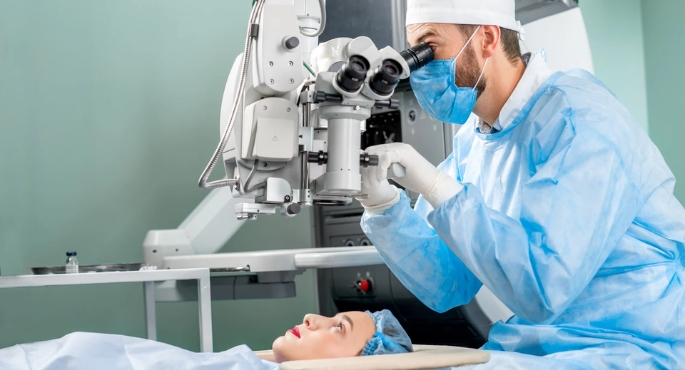
Cataract surgery is a safe and effective way to remove a cloudy lens and replace it with a clear intraocular lens (IOL). Modern surgical methods make this quick, with minimal pain and excellent vision results.
Common Cataract Surgery Myths vs Facts
Myth 1: Cataract Surgery Is Painful
Fact: Cataract surgery is virtually painless.
- Local anesthesia is used.
- You might feel some mild pressure during the procedure, but it should not be painful.
- The procedure usually takes about 10 to 15 minutes.
Myth 2: Cataracts Can Come Back After Surgery
Fact: Cataracts do not return once removed.
- The natural lens is permanently replaced.
- Some patients might notice mild clouding behind the new lens, known as PCO.
- This is easily treated with a quick laser procedure.
Myth 3: Cataract Surgery Is Only for Older People
Fact: Cataracts can develop at any age.
- Younger adults can develop cataracts due to injury, diabetes, or a family history of the condition.
- Surgery depends on vision impact, not age.
Myth 4: You Must Wait Until the Cataract Is Fully Mature
Fact: Waiting is no longer necessary.
- Surgery is recommended when vision affects daily activities.
- Early treatment can improve safety, comfort, and quality of life.
Myth 5: Cataract Surgery Has a Long Recovery Time
Fact: Recovery is usually fast and smooth.
- Most people notice better vision within 24 to 48 hours.
- You can usually get back to your normal activities after a few days.
- It usually takes a few weeks for your eyes to fully heal.
Benefits of Cataract Surgery
Cataract surgery can improve your vision and make daily activities easier for years to come.
Key benefits include:
- You’ll notice your vision is clearer and sharper.
- You’ll experience less glare and see better at night.
- Colors will appear more vivid and true to life.
- You may not need to rely on glasses as much.
- Overall, your quality of life can improve.
Because of these benefits, cataract surgery is considered one of the most effective treatments in modern medicine.
What to Expect After Cataract Surgery
Taking care of yourself after surgery is straightforward and easy.
Typical recovery expectations:
- Mild irritation or watering for a short time
- Vision is getting better slowly
- Eye drops are prescribed to avoid infection
Basic recovery tips:
- Avoid rubbing your eyes
- Skip heavy lifting for a few days
- Attend follow-up appointments as advised
When Should You Consult an Eye Specialist?
You should see an eye doctor if you experience:
- You may notice your vision becoming blurred or cloudy.
- You might find yourself more sensitive to light or bothered by glare.
- Driving at night may become more difficult.
- You may need to change your glasses prescription more often than before.
Getting an early assessment can show whether you need cataract surgery and help decide the best time for it.
Conclusion
Learning the facts about cataract surgery can help you feel less worried and avoid putting it off. Cataract surgery today is safe, quick, and works well for most people. When you know what’s true, you can make choices that protect your vision and keep you active and independent.
If cataract symptoms are making daily life harder, seeing an eye specialist is the first step to seeing more clearly.