
Retina care · Patiala
Retina Treatment in Patiala: Diabetic Retinopathy, Detachment, Macular Disease, Laser and Injections
The retina is the light-sensitive layer at the back of the eye. Retina care may involve monitoring, laser, injections or surgery, depending on the condition and examination findings.
New flashes, a sudden shower of floaters, a dark curtain in your vision or sudden vision loss needs prompt assessment.
Medically reviewed by: Dr. Amandeep Garg, MBBS,
DNB (Ophthalmology), PMC 36924.
Last reviewed: November 2026.
Urgent eye symptoms
When to get a same-day eye check
Seek prompt medical assessment if you notice:
- A sudden shower of new floaters
- Repeated flashes of light
- A dark curtain or shadow spreading across vision
- Sudden loss or major drop in vision
- Sudden distortion, such as straight lines appearing bent
During OPD hours, contact or visit the hospital. After hours, go to the nearest hospital emergency department.
Read eye emergency informationQuick answer
Retina care at a glance
Retina treatment is care for the light-sensitive layer at the back of the eye. The doctor recommends monitoring, laser, injections or surgery based on your examination and test results.
Understand retina
What is the retina?
The retina is a thin, light-sensitive layer at the back of the eye. It receives focused light and sends visual signals to the brain. The macula is the central part of the retina that supports detailed central vision, such as reading and recognising faces.
Some people call it the “aankh ka pardah.” Retina problems are different from cataract, which affects the lens at the front of the eye.
Read about cataract surgery if you want to understand the difference.

Retina conditions
Retina conditions we assess
Diabetic retinopathy
Diabetes can affect the small blood vessels in the retina. Screening and treatment depend on examination findings.
Diabetic eye diseaseRetinal tear or detachment
New flashes, floaters or a shadow in vision may need urgent assessment.
Retinal surgery informationMacular disease
Changes in the macula may affect central vision or make straight lines appear distorted.
Macular degeneration informationRetinal blood-vessel problems
Some retinal conditions are associated with diabetes, blood pressure or other health concerns.
Macular hole or swelling
The doctor may use scans to check the central retina and recommend next steps.
Other retina concerns
Assessment and treatment depend on your symptoms, eye history and examination.
Retina assessment
How the retina is examined
Your eye doctor may dilate your pupils to examine the retina. Depending on your symptoms and findings, additional tests may be advised.
Dilated examination
The doctor examines the retina and optic nerve after eye drops widen the pupil.
OCT scan
An OCT scan may provide detailed images of the retina and macula.
Retinal photographs
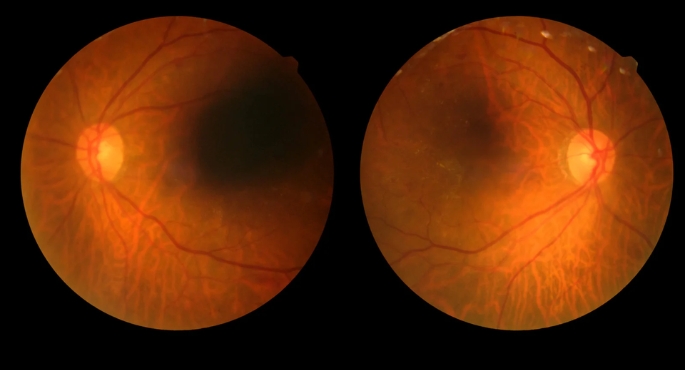
Images may help document the retina and compare changes over time.
Vision checks
Vision testing helps assess how the condition affects sight.
Medical history
Tell the doctor about diabetes, blood pressure, medicines and past eye treatment.
Further tests, if needed
The doctor will decide whether other imaging or tests are appropriate.
Treatment options
How retina conditions may be treated
The right approach depends on the condition, its stage and how it affects your vision. The ophthalmologist will explain the expected benefits, limitations and risks.
Monitoring
Some conditions may be monitored with scheduled examinations and scans.
Laser
Laser may be advised for selected retinal conditions.
Injections
Injections may be used for some retinal or macular conditions.
Retinal surgery
Surgery may be discussed for conditions such as retinal detachment.
Read about retinal surgeryDiabetes management
Managing diabetes and related health conditions is part of ongoing care.
Follow-up care
Repeat visits and scans may be needed to check how the retina responds.
Cost information
Retina treatment cost in Patiala
These indicative ranges are from the supplied content plan, not confirmed Garg Eye Hospital prices. Actual costs depend on diagnosis, medicines, procedure and package details.
| Treatment listed in the plan | Indicative range |
|---|---|
| Retinal laser | About ₹3,000 per sitting |
| Retina injections | About ₹7,000–₹65,000, depending on medicine |
| Vitrectomy | About ₹60,000 per eye |
| Scleral buckling for detachment | About ₹40,000 per eye |
Treat these as a general guide only. Ask the hospital for a current estimate after examination.
Planning your visit
Insurance and travel
Ask the insurance desk to check whether your policy and proposed treatment are currently covered. Approval depends on policy terms, limits and insurer pre-authorisation.
If travelling from Nabha, Rajpura, Samana, Sangrur or nearby towns, call ahead to confirm timings and what reports to bring.
Insurance informationBring to your retina appointment
- Previous eye reports and prescriptions
- Diabetes and blood-pressure reports, if relevant
- Current medicines and eye-drop bottles
- Insurance card and photo ID, if applicable
Common questions
Retina treatment FAQs
How do I know if I have a retina problem?
Some retinal conditions have no early symptoms. New floaters, flashes, a dark curtain or distorted central vision need prompt assessment. A dilated examination may be needed.
Are floaters and flashes dangerous?
Old, stable floaters may have different causes, but a sudden shower of new floaters or repeated flashes should be checked promptly.
Do people with diabetes need a retina check if they see well?
Diabetes-related retinal changes may not cause early symptoms. Ask your doctor how often you should have a dilated retina examination.
Can diabetic retinopathy be treated?
Treatment depends on the examination. The doctor may discuss monitoring, laser or injections. Managing diabetes and attending follow-up are also important parts of care.
Are injections in the eye painful?
The clinic can explain how the procedure is done, what you may feel, possible risks and what symptoms to report afterwards.
Can lost vision from retinal disease come back?
This depends on the condition and how much damage has occurred. Some people may improve after treatment; others may have lasting vision loss. Ask your retinal specialist about your own outlook.
When should I seek urgent retina care?
Seek prompt assessment for sudden new floaters, repeated flashes, a dark curtain in vision or sudden vision loss.
Retina care · Patiala
Notice a sudden change in your vision?
Contact the hospital during OPD hours. For urgent symptoms after hours, go to the nearest hospital emergency department.
Book an appointment Call 0175-2309500 WhatsAppThis page gives general information and does not replace an eye examination. Please consult a qualified ophthalmologist for advice about your own eyes.