
Cataract care · Patiala
Cataract Surgery in Patiala: Phaco Surgery, Lens Choices, Cost and Recovery
Cataract, often called motiyabind, is clouding of the natural lens inside the eye. An eye examination helps determine whether it is affecting your daily activities and what options to discuss with your ophthalmologist.
Garg Eye Hospital is on Passey Road, Patiala. Contact the hospital to ask about an appointment and current OPD timings.
Medically reviewed by: Dr. Amandeep Garg, MBBS,
DNB (Ophthalmology), PMC 36924.
Last reviewed: November 2026.
Quick answer
Cataract surgery at a glance
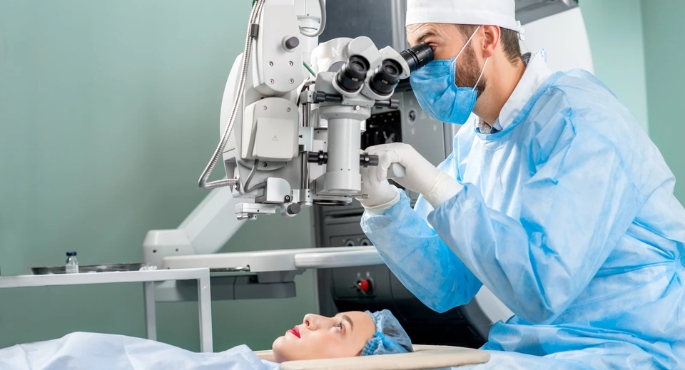
Cataract surgery removes the cloudy natural lens and places an artificial intraocular lens (IOL) in the eye. The doctor recommends whether and when surgery is appropriate after examining your eyes and discussing your daily vision needs.
Understand cataract
What is a cataract?
The natural lens inside the eye helps focus light so you can see clearly. A cataract develops when this lens becomes cloudy. People may describe it as motiyabind or motia.
Age is a common cause, but cataracts may also be associated with diabetes, previous eye injury, inflammation, some medicines or other eye conditions. An ophthalmologist can assess the cause and how much it affects your vision.
Spectacles may help some people in early stages. They do not remove the cloudy lens. Ask your ophthalmologist what is appropriate for you.

Signs to discuss
Common cataract symptoms
Blurred or cloudy vision
Vision may seem foggy or less clear than before.
Glare and light sensitivity
Bright lights or headlights may feel more uncomfortable.
Faded colours
Colours may appear less bright or more yellow than usual.
More difficulty reading
You may need brighter light or find reading more difficult.
Frequent glasses changes
Your spectacle prescription may change over time.
Difficulty with daily tasks
Reading signs, recognising faces or driving may become harder.
Sudden vision loss, a painful red eye, flashes or a dark curtain are not typical symptoms to ignore. Seek prompt medical attention. Read eye emergency information.
Before a treatment decision
How the doctor examines your eyes
The doctor checks your vision and examines the eye before discussing whether cataract treatment is needed. Depending on your health and examination, tests may include:
Vision and glasses check
Checks how clearly each eye sees with and without spectacles.
Slit-lamp examination
Allows the doctor to examine the front of the eye and the lens.
Eye pressure and retina check
The doctor may check eye pressure and examine the retina after drops.
Eye measurements
Measurements help the surgeon plan the power of an artificial lens.
Additional scans if needed
Cornea or retina scans may be advised depending on your eye condition.
Health review
Tell the doctor about diabetes, blood pressure, medicines and previous eye treatment.
Treatment options
When is cataract surgery considered?
Not every cataract needs surgery immediately. The decision depends on your vision, daily needs, examination findings and overall eye health. Discuss the benefits, risks and alternatives with your ophthalmologist.
| Option | What to discuss with your doctor |
|---|---|
| Monitoring | May be discussed when vision is still meeting your daily needs. |
| Updated spectacles or better lighting | May help some people for a time; does not clear a cloudy lens. |
| Phaco with an artificial lens | A commonly used surgical approach; the surgeon discusses suitability and lens choices. |
| Other surgical approaches | The doctor may discuss an alternative technique based on the eye and cataract. |
| Premium lens options | May cost more and are not suitable for everyone; discuss expected benefits and limitations. |
What to expect
What happens on the day of surgery?
- Arrive for registration and review of your documents.
- The team prepares you and checks the correct eye and current health details.
- The surgeon explains the planned procedure and anaesthesia.
- The cloudy lens is removed and an artificial lens is placed in the eye.
- The team gives you instructions about medicines, eye protection and follow-up.
The exact process and timings depend on your eye, health and the hospital’s schedule. Arrange for someone to accompany you home if the hospital advises it.

Informed decision
Risks and possible complications
Cataract surgery is commonly performed, but every operation has risks. The risks for you depend on your eye health and medical history. Ask your surgeon which risks are relevant to your situation.
Infection or inflammation
Follow sterile-care and medicine instructions from your surgical team.
Eye pressure or swelling
Your doctor may monitor these during follow-up and advise treatment if needed.
Retina-related problems
Ask about your individual risk, especially if you have other eye conditions.
Glare or remaining glasses power
Some people may still need glasses or notice visual effects after surgery.
Contact your surgeon promptly if you have worsening pain, sudden vision loss, increasing redness or discharge after an operation.
After surgery
Recovery and follow-up
Recovery varies from person to person. Follow the instructions given by your own surgeon and attend all recommended follow-up visits.
| Time | What you may notice | What to do |
|---|---|---|
| First day | Mild watering, scratchiness or light sensitivity may occur. | Use medicines and eye protection as instructed; attend the planned check. |
| First week | Vision may continue to change as the eye heals. | Do not rub the eye; follow your surgeon’s hygiene and activity instructions. |
| Following weeks | Your doctor may monitor healing and check your vision. | Keep follow-up visits and ask when to resume driving or work. |
Do not change or stop prescribed eye drops without asking your doctor. Your own recovery instructions take priority over general website information.
Cost information
Cataract surgery cost in Patiala
These are indicative local ranges from the supplied plan, listed per eye. They are not Garg Eye Hospital’s confirmed prices.
| Procedure or lens option | Indicative range in the plan |
|---|---|
| Phaco with standard monofocal lens | ₹15,000–₹35,000 |
| Phaco with premium monofocal lens | ₹30,000–₹50,000 |
| Micro-phaco | ₹35,000–₹75,000 |
| Toric lens | ₹50,000–₹90,000 |
| Multifocal lens | ₹45,000–₹85,000 |
| EDOF lens | ₹55,000–₹1,00,000 |
The final amount depends on the doctor’s examination, tests, lens or technology selected and what the package includes. Treat these ranges as a guide only and ask the hospital for a current estimate.
Insurance
Cashless insurance and cataract surgery
The supplied plan lists insurance companies, TPAs and schemes, including Ayushman Bharat and ECHS. The panel may change. Contact the insurance desk to check your current policy, eligibility, documents and pre-authorisation requirements.
Coverage depends on your policy terms. Premium lens options may not be fully covered. Ask for an estimate of any amount you may need to pay.
Insurance and cashless informationTravelling to Patiala
Coming from Nabha, Rajpura, Samana or nearby?
Call before travelling to confirm appointment availability, examination timing and which reports or insurance documents to bring.
Plan your visitCommon questions
Cataract surgery FAQs
Is cataract surgery painful?
Anaesthesia is used during cataract surgery. Ask your surgeon what you may feel during and after the procedure and what to report.
How long does cataract surgery take?
The operation time varies depending on the eye and the procedure. The hospital can tell you how long to plan for your visit.
Will I need glasses after cataract surgery?
Some people still need glasses after surgery. The result depends on the eye, lens choice and remaining spectacle power. Discuss your expectations with your surgeon before choosing a lens.
Can cataract be treated with eye drops?
Eye drops do not remove a cloudy lens. An ophthalmologist can explain whether monitoring or surgery should be discussed in your case.
Can both eyes be operated on at the same time?
Timing depends on your eyes and medical situation. Ask your surgeon about the safest plan and the recommended gap, if any.
Is cataract surgery covered by insurance?
Coverage depends on your policy, waiting period, limits and insurer approval. Ask the hospital’s insurance desk to check your specific policy.
When should I contact the doctor after surgery?
Contact your surgeon promptly for worsening pain, sudden vision loss, increasing redness or discharge.
Garg Eye Hospital · Patiala
Discuss your cataract concerns with an eye specialist
Contact the hospital to ask about appointments, current OPD hours and what to bring for your visit.
Book an appointment Call 0175-2309500 WhatsAppThis page gives general information and does not replace an examination by a qualified ophthalmologist. Treatment and recovery vary between patients.